Read in: English | Pidgin
🔎 Quick Summary
Emotional regulation difficulties occur when it becomes hard to manage, control or respond to emotions in a balanced way.
1️⃣ Introduction
Emotions are a normal part of human life.
They help us respond to situations, connect with others and understand ourselves.
However, some people experience difficulty managing their emotions.
This is known as emotional regulation difficulty.
It does not mean something is “wrong” with the person — it means the system that helps regulate emotions may need support.
2️⃣ How the condition develops
Emotional regulation involves several parts of the brain working together:
• the emotional centers (react quickly)
• the control centers (help regulate responses)
👉 When these systems are not balanced:
• emotions may feel stronger
• reactions may happen quickly
• recovery may take longer
👉 This can be influenced by:
• brain function
• life experiences
• stress levels
3️⃣ Early symptoms
• strong emotional reactions
• difficulty calming down
• feeling overwhelmed easily
• impulsive responses
• mood swings
👉 These patterns may appear gradually.
4️⃣ Symptom explanation
Emotional regulation difficulties occur when:
• emotions rise quickly
• the brain struggles to regulate the response
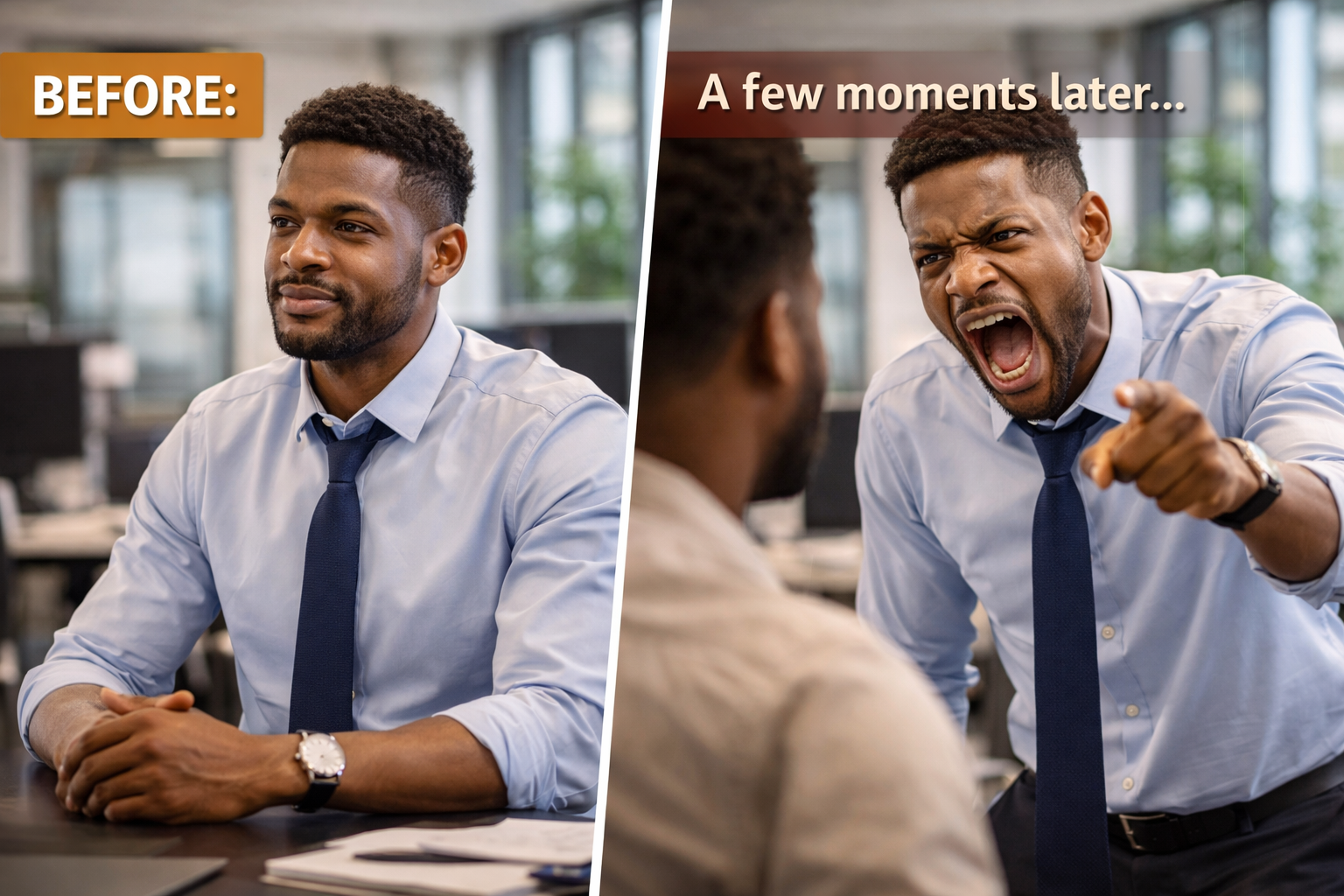
👉 This can make reactions feel automatic or out of control.
👉 Examples include:
• anger outbursts
• sudden sadness
• difficulty handling frustration
5️⃣ Common causes
• long-term stress
• past emotional experiences
• lack of rest
• neurodevelopmental conditions (e.g. ADHD)
• mental health conditions
👉 Often, it is a combination of factors.
6️⃣ Comparison note
Emotional regulation difficulties can be seen in:
• anger problems
• ADHD
• anxiety
• depression
• stress vs burnout
👉 It is not a diagnosis on its own, but a pattern that can appear in different conditions.
7️⃣ When it becomes serious
🚨 Seek help if:
• emotions feel uncontrollable
• reactions affect relationships
• frequent conflict or regret
• difficulty functioning daily
⚠️ Persistent difficulty may require support.
8️⃣ Management / support
🔹 Awareness
• recognize emotional triggers
• observe patterns
🔹 Regulation strategies
• pause before reacting
• breathing techniques
• grounding exercises
🔹 Lifestyle support
• rest and sleep
• reduce stress
• regular routine
🔹 Professional support
👉 therapy and structured support can help improve emotional regulation.
9️⃣ Diagnosis / evaluation
Healthcare professionals may assess:
• emotional patterns
• triggers
• impact on daily life
👉 This helps identify underlying causes.
🔟 Important message
Emotional regulation difficulties are common and manageable.
Learning to understand your emotions is a powerful step toward improving well-being.
🔹 FAQ
🔹 Is emotional regulation a disorder?
Not on its own, but it can be part of other conditions.
🔹 Why do I react so strongly?
Your emotional response system may be more sensitive.
🔹 Can it improve?
Yes, with awareness and support.
🔹 Is this linked to ADHD?
Yes, in some cases.
🔹 Should I seek help?
If it affects your life or relationships.
Related Health Topics
🔹 Anger Problems
🔹 ADHD for Adults
🔹 Anxiety – Symptoms
🔹 Depression – Signs
🔹 Stress and Burnout
Medical References
• World Health Organization
• American Psychological Association
• National Health Service
• Mayo Clinic
• Centers for Disease Control and Prevention
• Peer-reviewed mental health literature
Medical Disclaimer
This article is for educational purposes only and does not replace professional medical advice, diagnosis, or treatment.
If emotional difficulties affect your daily life, seek professional support.