

Read in: English | Pidgin English
🩺 Medically reviewed by the Health Decoded Guide Editorial Team · Last reviewed: July 2026
🔍 Quick Summary
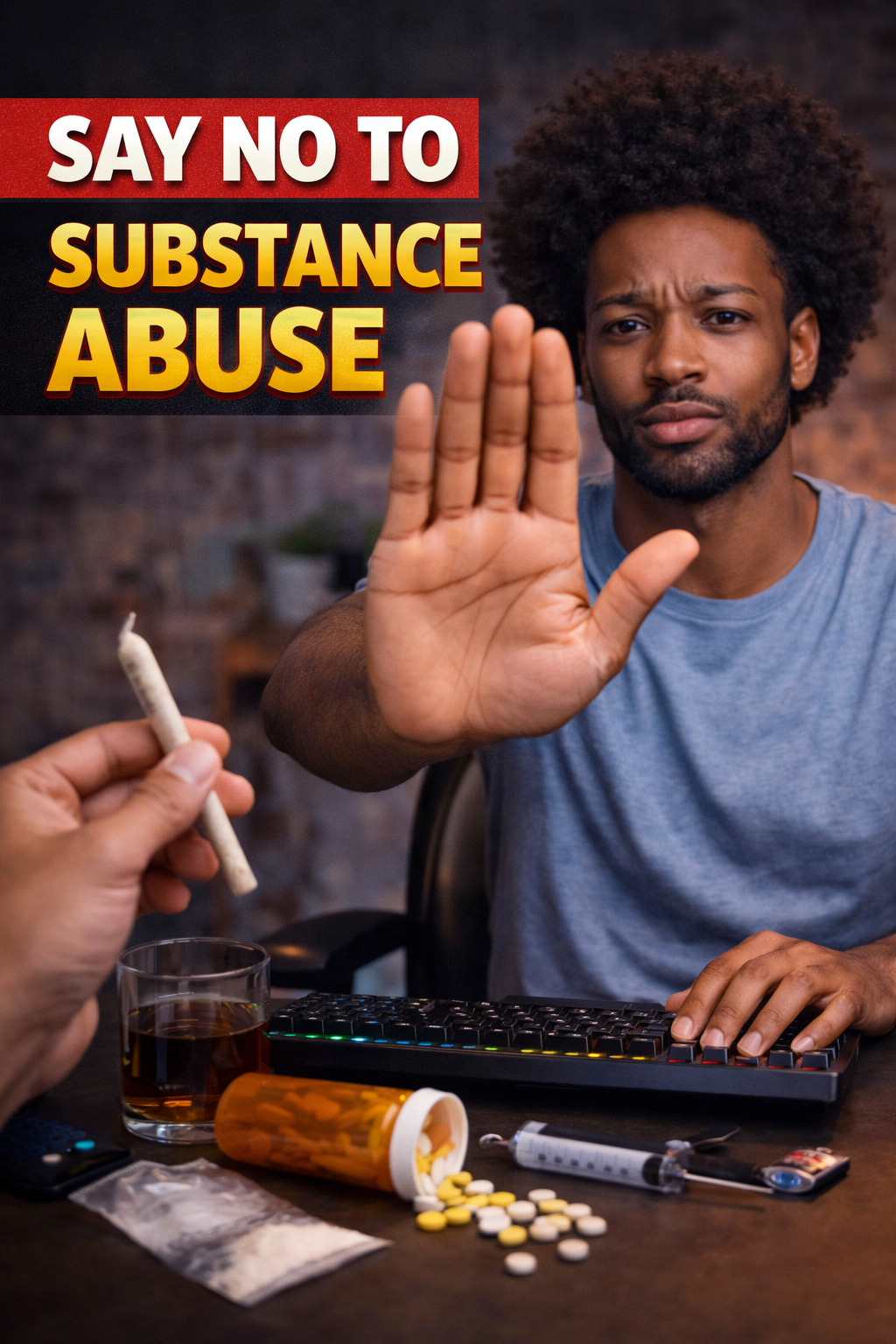
Drug and substance abuse is the harmful or uncontrolled use of substances. It affects the brain, behavior, and overall health—but recovery is possible.
1️⃣ Introduction
Substance abuse refers to the use of drugs or substances in a harmful way.
• may involve alcohol, prescription drugs, or illegal substances
• can affect physical and mental health
• may interfere with daily life and relationships
👉 It is not just about use—it is about loss of control and impact.
2️⃣ How it happens
Substances affect the brain's reward system, making the person feel pleasure or relief for a short time.
• they cause the release of "feel-good" chemicals such as dopamine
• repeated use changes the brain pathways involved in reward, motivation and self-control
• over time, the same amount no longer produces the same effect (tolerance)
• the brain may begin to depend on the substance to feel "normal" (dependence)
👉🏽 Over time, the brain begins to rely on the substance, making it much harder to stop without help.
3️⃣ Classification
• Occasional misuse
• harmful or risky use from time to time
• may not yet interfere with work, school or relationships
• repeated misuse can increase the risk of addiction
• Dependence / addiction
• strong cravings for the substance
• loss of control over how much or how often it is used
• withdrawal symptoms when trying to stop
• substance use continues despite harmful consequences
👉🏽 The earlier substance misuse is recognised, the easier it is to treat before dependence develops.
4️⃣ Common causes
• Psychological factors
• stress, trauma or emotional pain
• anxiety, depression or other mental health conditions
• using substances to cope with difficult emotions
• Social factors
• peer pressure
• easy access to alcohol or drugs
• family or community environment where substance use is common
• Biological factors
• family history of addiction
• genetic factors may increase a person's risk
👉🏽 Substance abuse usually develops because of several factors working together—not just one cause.
5️⃣ Symptom
• strong urge or craving to use the substance
• difficulty controlling how much or how often it is used
• needing larger amounts to get the same effect (tolerance)
• continuing to use despite knowing it is causing harm
👉🏽 These symptoms happen because repeated substance use changes the brain areas responsible for reward, decision-making and self-control.
6️⃣ Associated symptoms
• mood changes such as irritability or depression
• sleep problems
• poor concentration or memory
• poor performance at work or school
• relationship or financial problems
• physical health problems depending on the substance used
👉🏽 Substance abuse can affect almost every part of a person's life—not just their physical health.
7️⃣ When it becomes dangerous 🚨
• inability to stop using despite wanting to
• withdrawal symptoms such as shaking, sweating, anxiety or agitation
• overdose or loss of consciousness
• risky behaviour such as driving while intoxicated
• substance use causing serious health, family or work problems
👉🏽 These signs may indicate substance dependence or overdose and require urgent medical attention.
8️⃣ Management / treatment
Treatment depends on the substance being used and the person's individual needs.
• behavioral therapy and counseling to help change harmful patterns
• medicines or medically supervised detoxification for some substances
• treatment of underlying mental health conditions when present
• support from family, friends or recovery groups
• long-term follow-up to reduce the risk of relapse
👉🏽 Recovery takes time, but with the right treatment and support, many people are able to stop using substances and rebuild healthy lives.
9️⃣ Diagnosis
Diagnosis is based on a healthcare professional's assessment of the person's substance use and how it is affecting their life.
• discussion about the type of substance used, how often it is used, and for how long
• questions about physical health, mental health, and daily functioning
• screening questionnaires to identify harmful use or dependence
• blood or urine tests may sometimes be used to detect substances or assess health complications, but they do not diagnose addiction on their own
👉🏽 Diagnosis focuses on patterns of substance use, loss of control, and its impact on health, relationships, work or school.
🟢 Important message
Substance abuse is serious—but treatable.
👉 Early support increases the chance of recovery.
FAQ
• Can someone recover from substance abuse?
Yes, with support, treatment, and time.
• Is it just about willpower?
No, it involves brain changes and often needs structured support.
• Can anyone develop substance abuse?
Yes. Substance abuse can affect people of any age, gender, or background.
• When should someone seek help?
Seek help if substance use is affecting your health, relationships, work or school, or if you cannot stop despite trying.
• Can relapse happen during recovery?
Yes. Relapse can happen, but it does not mean treatment has failed. Many people recover with ongoing support and treatment.
🔗 Related Health Topics
• Alcohol misuse
• Depression
• Anxiety
• PTSD
• Behavioral addiction
• Stress and burnout
• Mental health
• Sleep problems
📚 Medical References
• World Health Organization (WHO). Alcohol, drugs and addictive behaviours.
• National Health Service (NHS). Addiction: what is it?
• Centers for Disease Control and Prevention (CDC). Substance Use.
• Mayo Clinic. Drug addiction (substance use disorder).
• National Institute for Health and Care Excellence (NICE). Drug misuse prevention: targeted interventions (NG64).
• American Psychiatric Association (APA). What Is a Substance Use Disorder?
⚠️ Medical Disclaimer
This article is for educational purposes only and does not replace professional medical advice.
If you are concerned about substance use, consult a qualified healthcare professional.