Read in: English | Pidgin English
🩺 Medically reviewed by the Health Decoded Guide Editorial Team · Last reviewed: July 2026
🔍 Quick Summary
Multiple sclerosis (MS) is a neurological condition where the immune system affects the brain and spinal cord.
Symptoms can vary widely and may include numbness, weakness, vision problems, balance difficulties, or fatigue.
Some people experience flare-ups and recovery periods, while others have more gradual progression over time.
1️⃣ Introduction
Multiple sclerosis is a chronic condition affecting the central nervous system.
• the immune system mistakenly attacks protective nerve coverings
• this disrupts communication between the brain and body
• symptoms may come and go or gradually worsen over time
👉 MS affects people differently, so symptoms and progression can vary greatly from one person to another.
2️⃣ How it happens
Nerves are normally covered by a protective layer called myelin.
• in MS, the immune system damages this protective covering
• damaged nerves send signals less effectively
• inflammation and scarring can affect different parts of the nervous system
👉 Because different nerves can be affected, MS symptoms may involve vision, movement, sensation, or coordination.
3️⃣ Types
• Relapsing-remitting MS
- symptoms flare up and then improve partially or completely
- the most common form of MS
• Secondary progressive MS
- symptoms gradually worsen over time
- may develop after years of relapsing-remitting disease
• Primary progressive MS
- symptoms slowly worsen from the beginning
- fewer clear flare-ups or recovery periods
👉 Some people live for many years with mild symptoms, while others may need more support over time.
4️⃣ Common causes
• Immune system dysfunction
- the body attacks its own nerve coverings
- inflammation damages nerve communication
• Genetic factors
- family history may slightly increase risk
- certain genes may influence susceptibility
• Environmental factors
- low vitamin D levels
- smoking and some viral infections
👉 MS is not contagious and cannot spread from one person to another.
5️⃣ Symptoms
• numbness or tingling in arms or legs
• muscle weakness or balance problems
• blurred or painful vision
👉 Symptoms occur because damaged nerves struggle to send signals properly through the body.
6️⃣ Associated symptoms
• severe fatigue
• muscle stiffness or spasms
• bladder problems
• difficulty concentrating or memory changes
👉 Heat, stress, or infections may temporarily worsen symptoms in some people.
7️⃣🩺 When it becomes dangerous 🚨
• sudden vision loss
• severe weakness affecting walking or breathing
• inability to control bladder or bowel function suddenly
👉 These may indicate:
• a severe MS relapse
• another serious neurological condition needing urgent assessment
8️⃣ Management / treatment
• medications to reduce relapses and immune activity
• physiotherapy and exercise support
• symptom management for pain, fatigue, or muscle stiffness
👉 Early treatment may help slow disease progression and reduce long-term complications.
9️⃣ Diagnosis
• neurological examination and medical history
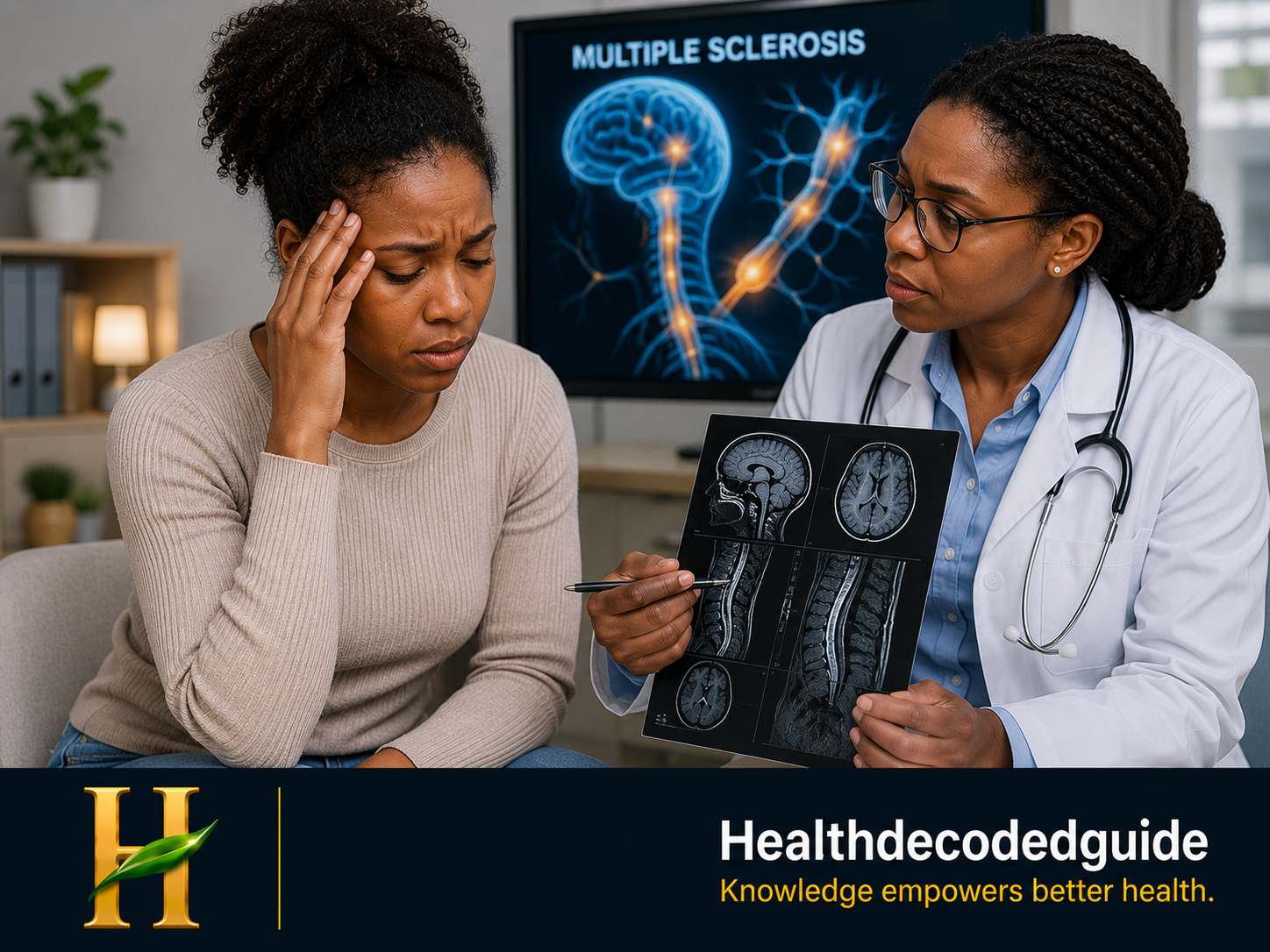
• MRI scans of the brain and spinal cord
• spinal fluid tests and other neurological investigations
👉 MS diagnosis often takes time because symptoms can resemble many other conditions.
🟢 Important message
Multiple sclerosis can be unpredictable, but many people continue work, relationships, family life, and daily activities for years after diagnosis.
Support, rehabilitation, and modern treatments have improved long-term outcomes for many individuals living with MS.
👉 Early medical evaluation and consistent follow-up can make a major difference in symptom control and quality of life.
FAQ
• Is multiple sclerosis curable?
There is currently no cure, but treatments can help reduce relapses and manage symptoms.
• Can MS symptoms come and go?
Yes. Many people experience flare-ups followed by periods of improvement.
• Is MS hereditary?
MS is not directly inherited, but family history may slightly increase risk.
• Can exercise help people with MS?
Yes. Appropriate exercise and physiotherapy may improve mobility, balance, and overall wellbeing.
• Does MS always cause severe disability?
No. Some people have mild disease for many years, while others may experience more progression.
🔗 Related Health Topics
• Parkinson’s Disease
• Stroke
• Chronic Fatigue
• Vision Problems
• Tremor Disorders
• Diabetes
• Physiotherapy and Rehabilitation
📚 Medical References
• World Health Organization (WHO). Multiple sclerosis.
• National Health Service (NHS). Multiple sclerosis.
• Mayo Clinic. Multiple sclerosis.
• National Multiple Sclerosis Society. Multiple Sclerosis.
• National Institute for Health and Care Excellence (NICE). Multiple sclerosis in adults: management.
• National Institute of Neurological Disorders and Stroke (NINDS). Multiple Sclerosis (MS).
⚠️ Medical Disclaimer
This article is for educational purposes only and does not replace professional medical advice.
If you have symptoms or concerns, please consult a qualified healthcare professional.