

🌍 English
Published on March 7, 2026 at 12:03 AM
🩺 Medically reviewed by Dr. Fervency Osagie, MD, Cardiology Specialist | Medical Reviewer · Last reviewed: July 2026
🔍 Quick Summary
High blood pressure, also called hypertension, happens when the pressure of blood against the walls of the arteries remains consistently too high.
It usually causes no obvious symptoms, but untreated hypertension can gradually damage the heart, brain, kidneys, eyes and blood vessels.
1️⃣ Introduction
Blood pressure is the force created as the heart pumps blood through the arteries.
A blood pressure reading contains two numbers:
• Systolic pressure
- the top number
- measures the pressure when the heart contracts and pumps blood
• Diastolic pressure
- the bottom number
- measures the pressure when the heart relaxes between beats
The reading is written in millimetres of mercury, or mmHg. For example, a reading may be written as 120/80 mmHg.
High blood pressure means the pressure remains above the recommended range over time.
👉 Blood pressure can temporarily rise because of stress, pain, exercise, caffeine or anxiety.
2️⃣ How it happens
The arteries are blood vessels that carry blood away from the heart.
When blood pressure stays high:
• the heart works harder to pump blood
• the artery walls remain under constant strain
• the arteries gradually become thicker, narrower and less flexible
• blood flow becomes less efficient
👉 Over time, the constant pressure damages blood vessels throughout the body, often without causing any symptoms at first.
3️⃣ Understanding blood pressure readings
Blood pressure guidelines vary slightly between countries and medical organisations.
Most healthcare professionals diagnose high blood pressure after repeated readings, not from a single measurement.
A simple guide is:
• Below 120/80 mmHg: generally considered normal
• 120–129/<80 mmHg: elevated blood pressure
• 130–139/80–89 mmHg: high blood pressure in some guidelines
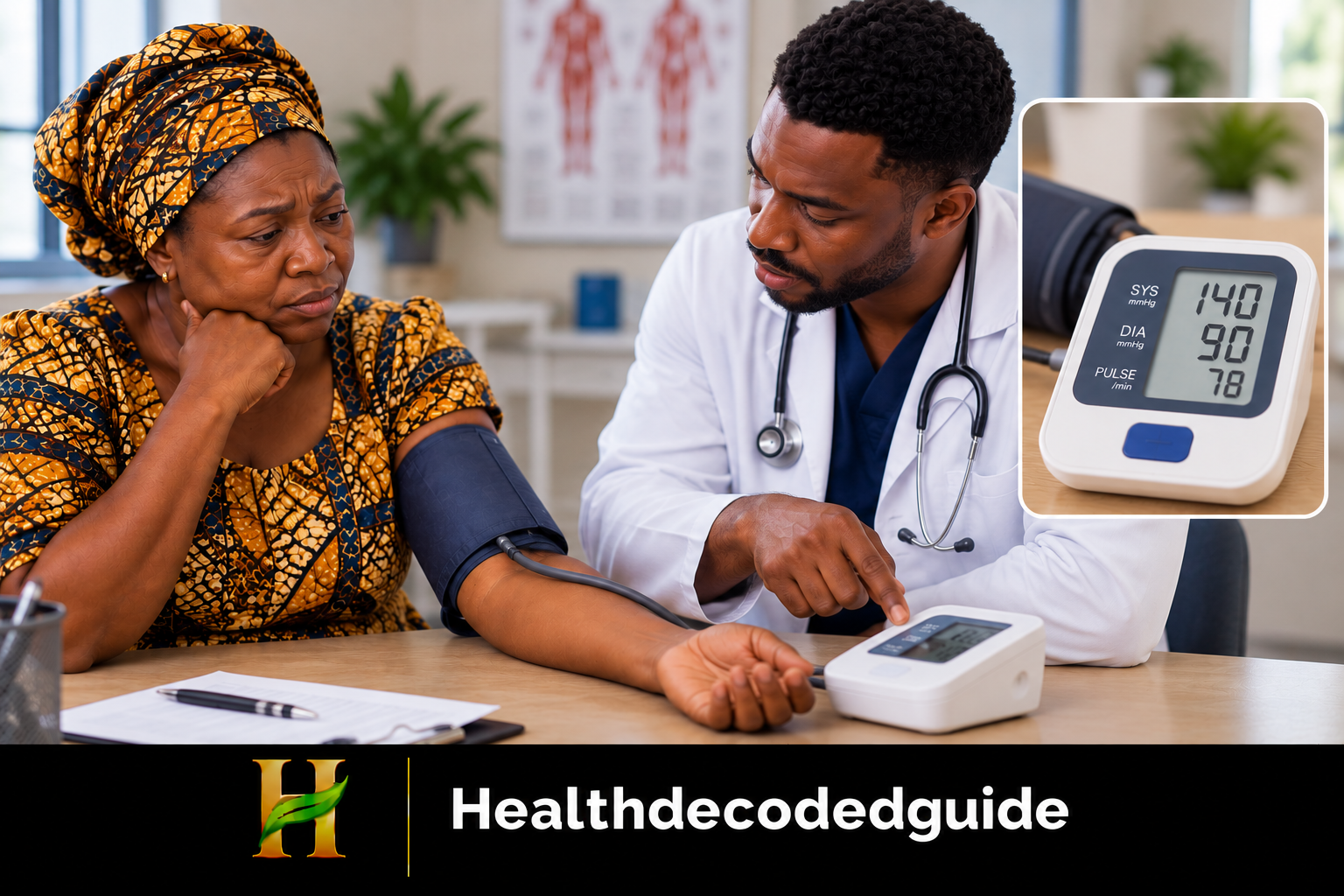
• 140/90 mmHg or higher: commonly used internationally to diagnose hypertension
• 180/120 mmHg or higher: severely elevated and may require urgent medical assessment, especially if symptoms are present
👉 Your doctor will interpret your blood pressure using repeated readings, where it was measured (clinic or home), your age and your overall health—not just a single number.
4️⃣ Common causes and risk factors
In most people, there is no single identifiable cause of high blood pressure.
This is called primary (essential) hypertension and usually develops because of a combination of genetics, ageing and lifestyle factors.
Factors that increase the risk include:
• increasing age
• family history of hypertension
• being overweight or obesity
• eating too much salt
• lack of physical activity
• smoking or drinking too much alcohol
• long-term stress
• poor sleep
Sometimes, high blood pressure is caused by another medical condition or certain medicines.
Examples include:
• kidney disease
• hormone disorders (such as thyroid or adrenal gland disease)
• obstructive sleep apnoea
• pregnancy-related hypertension
• some medicines (such as anti-inflammatory painkillers, steroids and some contraceptive pills)
👉 If high blood pressure develops suddenly, occurs at a young age or is difficult to control, your doctor may look for an underlying cause.
5️⃣ Symptoms and why they can be misleading
Most people with high blood pressure have no symptoms.
This is why hypertension is often described as a silent condition. The only reliable way to know your blood pressure is to measure it.
When blood pressure becomes very high, some people may experience:
• headaches
• vision problems
• dizziness
• nausea
• nosebleeds
• chest discomfort
• shortness of breath
• confusion
However, these symptoms are not specific to hypertension and may have many other causes.
👉 Do not wait for headaches or dizziness before checking your blood pressure. Many people with serious hypertension feel completely normal.
6️⃣ Complications of uncontrolled high blood pressure
Over time, untreated or poorly controlled high blood pressure can cause problems in different body organs and systems, including:
• Heart: heart attack, heart failure and other heart diseases
• Brain: stroke and memory problems
• Kidneys: chronic kidney disease and kidney failure
• Eyes: vision loss
• Blood vessels: artery damage and aneurysms
• Sexual health: erectile dysfunction and reduced sexual function
• Pregnancy: complications for both mother and baby
7️⃣ When high blood pressure becomes dangerous 🚨
A severely raised blood pressure reading requires careful attention.
If your blood pressure is higher than 180/120 mmHg:
• sit quietly and rest for at least one minute
• check the reading again using correct technique
• seek prompt medical advice if it remains severely elevated
Call emergency services immediately if a severely elevated reading occurs with:
• chest pain or severe shortness of breath
• sudden weakness or numbness
• difficulty speaking or confusion
• sudden change or loss of vision
• severe headache or seizure
• fainting or reduced consciousness
A blood pressure above 180/120 mmHg with symptoms suggesting organ damage is a hypertensive emergency and requires immediate hospital treatment.
8️⃣ Management and treatment
Treatment usually includes lifestyle changes and, for many people, blood pressure medicine.
Lifestyle changes
These may include:
• reducing salt intake
• eating a healthy, balanced diet
• maintaining a healthy weight
• exercising regularly
• stopping smoking
• limiting alcohol
• getting enough sleep
• managing stress
Blood pressure medicines
Some people also need medicine to lower their blood pressure and reduce the risk of complications.
Common types include:
• ACE inhibitors
• angiotensin receptor blockers (ARBs)
• calcium-channel blockers
• diuretics
👉 Some people need more than one medicine because different medicines lower blood pressure in different ways.
9️⃣ Diagnosis and monitoring
Hypertension should not usually be diagnosed from one blood pressure reading alone.
Your doctor may recommend:
• repeated blood pressure measurements
• home blood pressure monitoring or 24-hour blood pressure monitoring
• blood and urine tests
• heart tests (such as an ECG)
• tests to look for organ damage or an underlying cause
Some people have "white-coat hypertension" (high blood pressure only in the clinic) or
"masked hypertension" (normal in the clinic but high at home). Home or 24-hour monitoring can help identify these.
🟢 Important Message
High blood pressure is common, usually silent and potentially serious—but it is also one of the most treatable risk factors for heart disease and stroke.
Know your numbers, attend follow-up appointments and take prescribed treatment consistently.
👉 Blood-pressure control is not only about lowering a number. It protects your heart, brain, kidneys, eyes and future health.
FAQ
Can young people get high blood pressure?
Yes. High blood pressure can affect young adults, especially if they have a family history, obesity, certain medical conditions or unhealthy lifestyle habits.
Do I always need blood pressure medicine?
No. Some people can start with lifestyle changes, while others need medicine depending on how high their blood pressure is and their overall health.
Can I stop taking my medicine once my blood pressure is normal?
No. Normal readings often mean the medicine is working. Always speak to your doctor before stopping treatment.
Can high blood pressure be cured?
Some cases caused by another medical condition can improve if the cause is treated. Most people have long-term hypertension that can be well controlled.
Why is my blood pressure different each time I check it?
Blood pressure naturally changes throughout the day. Doctors look at repeated readings over time rather than a single measurement.
🧠 Why We Delay
High blood pressure usually does not cause pain or obvious illness. Many people therefore assume that treatment is unnecessary when they feel well, or they stop taking their medicine once their readings improve.
Others only check their pressure when they have a headache, not realising that serious damage can develop silently for years.
👉 Feeling well does not prove that your blood pressure is safe. Regular checks and consistent treatment prevent complications before they happen.
🔗 Related Health Topics
• Stroke
• Heart Attack
• Heart Failure
• High Cholesterol
• Chronic Kidney Disease
• Peripheral Artery Disease
📚 Medical References
• World Health Organization (WHO). Hypertension.
• National Health Service (NHS). High blood pressure.
• American Heart Association. Understanding blood pressure readings.
• National Institute for Health and Care Excellence (NICE). Hypertension in adults: diagnosis and management.
• World Health Organization (WHO). Guideline for the pharmacological treatment of hypertension in adults.
• Centers for Disease Control and Prevention (CDC). High Blood Pressure.
⚠️ Medical Disclaimer
This article is for educational purposes only and does not replace professional medical advice.
Blood-pressure targets and treatment plans should be personalised by a qualified healthcare professional.