Read in: English | Pidgin
Menopause is a natural stage in a woman’s life when menstrual periods permanently stop.
It happens when the ovaries gradually produce lower levels of reproductive hormones, especially estrogen and progesterone.
Menopause is confirmed when a woman has not had a menstrual period for 12 consecutive months.
Although menopause is a normal biological process, the hormonal changes may cause various symptoms.
When Does Menopause Usually Start?
Most women experience menopause between 45 and 55 years of age.
Before menopause occurs, many women go through a transition period called perimenopause.
During this phase, hormone levels fluctuate and menstrual cycles may become irregular.
Women may experience:
• irregular periods
• missed periods
• heavier or lighter bleeding
Common Symptoms of Menopause
Symptoms can vary widely from person to person.
Common symptoms include:
• hot flashes
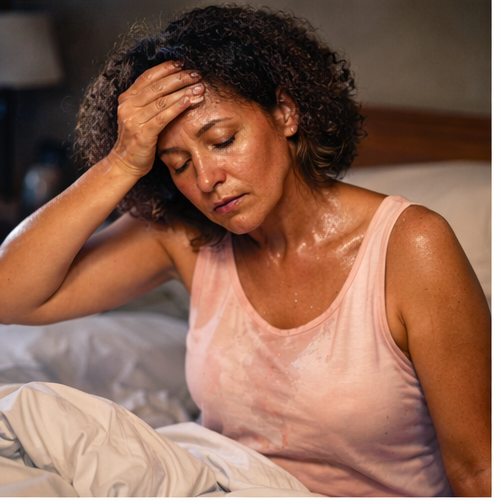
• night sweats
• irregular periods
• sleep disturbances
• mood changes
• vaginal dryness
• reduced energy
Hormonal changes during menopause may also affect metabolism and bone health.
Why Menopause Symptoms Occur
Menopause symptoms are mainly caused by declining estrogen levels.
Estrogen helps regulate many body systems, including:
• reproductive organs
• bone health
• temperature regulation
• mood and sleep patterns
When estrogen levels fall, these systems may be affected.
When Should You See a Doctor?
Although menopause is natural, medical advice may be helpful if:
• symptoms are severe
• bleeding becomes unusually heavy
• bleeding occurs after menopause
• symptoms interfere with daily life
Doctors may recommend treatments or lifestyle changes to manage symptoms.
Final Thoughts
Menopause is a normal life transition and not a disease.
However, understanding the symptoms can help women manage this stage more comfortably.
Seeking medical advice when symptoms become severe can improve quality of life.
Medical References
• World Health Organization – Women’s Health
• American College of Obstetricians and Gynecologists
• NHS – Menopause Information
• Peer-reviewed gynecology guidelines
Medical Disclaimer
This article is for educational purposes only and does not replace professional medical advice, diagnosis, or treatment. Always consult a qualified healthcare professional regarding medical concerns.