

Read in: English | Pidgin English
🩺 Medically reviewed by the Health Decoded Guide Editorial Team · Last reviewed: July 2026
🔍 Quick Summary
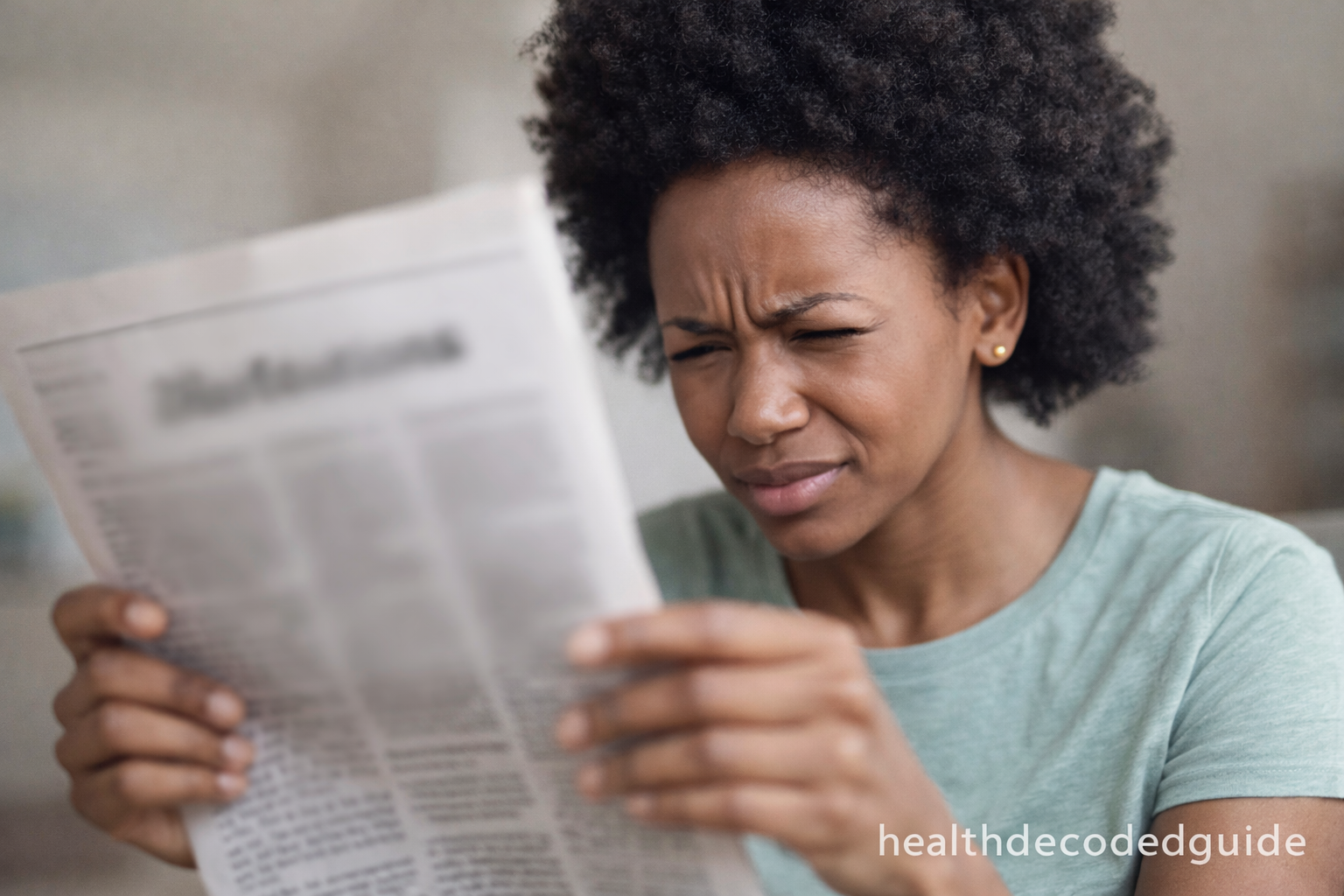
Blurred vision means your sight is not clear or sharp.
It can be temporary—or a sign of an underlying eye or health problem.
1️⃣ Introduction
Blurred vision refers to reduced clarity of eyesight.
• objects may appear fuzzy or out of focus
• can affect one or both eyes
• may develop suddenly or gradually
👉 Sudden vision changes should always be taken seriously.
2️⃣ How it happens
Clear vision depends on proper eye structure and nerve signals.
• light must focus correctly on the retina
• signals must travel from the eye to the brain
• any disruption leads to blurred vision
👉 Even small changes in focus or nerve signaling can affect clarity.
3️⃣ Types
• Temporary blurred vision
- due to eye strain or dryness
- improves with rest
• Persistent blurred vision
- ongoing or worsening
- may indicate underlying condition
👉 Duration helps guide urgency.
4️⃣ Common causes
Eye-related causes
refractive errors (need for glasses)
• the eye cannot focus light properly, causing blurred vision
dry eyes or prolonged screen use
• the surface of the eye becomes dry, making vision temporarily blurry
• Medical causes
diabetes (affecting the retina)
• high blood sugar can damage the retina, leading to blurred or reduced vision
neurological or vascular conditions
• conditions affecting the brain, optic nerve or blood supply may interfere with normal vision
👉 Blurred vision may be caused by a problem with the eye itself or by an underlying medical condition affecting the nerves, blood vessels or brain.
5️⃣ Symptom explanation
• difficulty focusing
→ objects may look blurry or take longer to become clear
• hazy or cloudy vision
→ vision may seem foggy, making it harder to see details
• reduced sharpness
→ objects may lose their clear edges, making reading, driving or recognising faces more difficult
👉 These symptoms happen when light is not focused properly inside the eye or when the eye, optic nerve or brain cannot process visual signals normally.
6️⃣ Associated symptoms
• headache
• eye pain or redness
• sensitivity to light
• floaters or flashes
👉 Associated symptoms help identify the cause.
7️⃣ When it becomes dangerous 🚨
• sudden vision loss or severe blurring
• blurred vision with weakness or speech difficulty
• flashes, floaters, or curtain-like shadow in visual field
👉 These may indicate:
• stroke or neurological emergency
• retinal detachment or serious eye condition
8️⃣ Management / treatment
• correct vision (glasses or contact lenses)
• treat underlying condition
• rest and proper eye care
9️⃣ Diagnosis
• eye examination
• vision testing
• blood tests or imaging if needed
👉 Diagnosis focuses on identifying the cause.
🟢Important message
Blurred vision is common—but not always harmless.
👉 Sudden or persistent changes should be checked early.
FAQ
• Can blurred vision go away on its own?
Yes, mild cases (e.g. eye strain) may improve with rest.
• When should I worry?
If it is sudden, persistent, or associated with other symptoms.
• Do I always need glasses if my vision is blurry?
No. Blurred vision has many possible causes. Some people need glasses, while others may have an underlying eye or medical condition.
• Can diabetes cause blurred vision?
Yes. High blood sugar can affect the lens and retina, leading to temporary or permanent changes in vision if left untreated.
• Should I see an optician or a doctor?
If your blurred vision is gradual and you think you may need glasses, an optician or optometrist can assess your vision. If it is sudden, severe, painful, or associated with other symptoms, seek urgent medical attention immediately.
🔗 Related Health Topics
• Headache
• Migraine
• Confusion
• Diabetes
📚 Medical References
• World Health Organization (WHO). Eye care, vision impairment and blindness.
• National Health Service (NHS). Vision loss.
• Centers for Disease Control and Prevention (CDC). Vision and Eye Health.
• National Eye Institute (NEI). Eye Health Information.
• National Eye Institute (NEI). Keep Your Eyes Healthy.
⚠️ Medical Disclaimer
This article is for educational purposes only and does not replace professional medical advice.
If you have symptoms or concerns, please consult a qualified healthcare professional.