Read in: English | Pidgin
COVID-19 is a respiratory infection caused by the coronavirus called SARS-CoV-2.
The infection mainly affects the nose, throat, and lungs, although it can also affect other parts of the body.
Most people experience mild symptoms and recover within a few days or weeks.
However, some infections can become serious, especially in older adults or people with underlying medical conditions.
Understanding the symptoms can help people recognize the infection early and seek medical care when necessary.
What Causes COVID-19?
COVID-19 is caused by a virus that spreads mainly through respiratory droplets.
1️⃣ Person-to-Person Transmission
The virus spreads when an infected person coughs, sneezes, talks, or breathes near others.
Small droplets containing the virus can be inhaled by people nearby.
2️⃣ Close Contact
Spending long periods in close contact with someone who has COVID-19 increases the risk of infection.
Crowded indoor environments may increase transmission.
3️⃣ Contaminated Surfaces
Although less common, the virus can spread if a person touches contaminated surfaces and then touches their face.
Proper hand hygiene helps reduce this risk.
4️⃣ Weakened Immune System
People with weakened immune systems may be more vulnerable to severe illness.
This includes older adults and people with chronic medical conditions.
Common Symptoms of COVID-19
Symptoms can vary from mild to severe and may include:
• fever
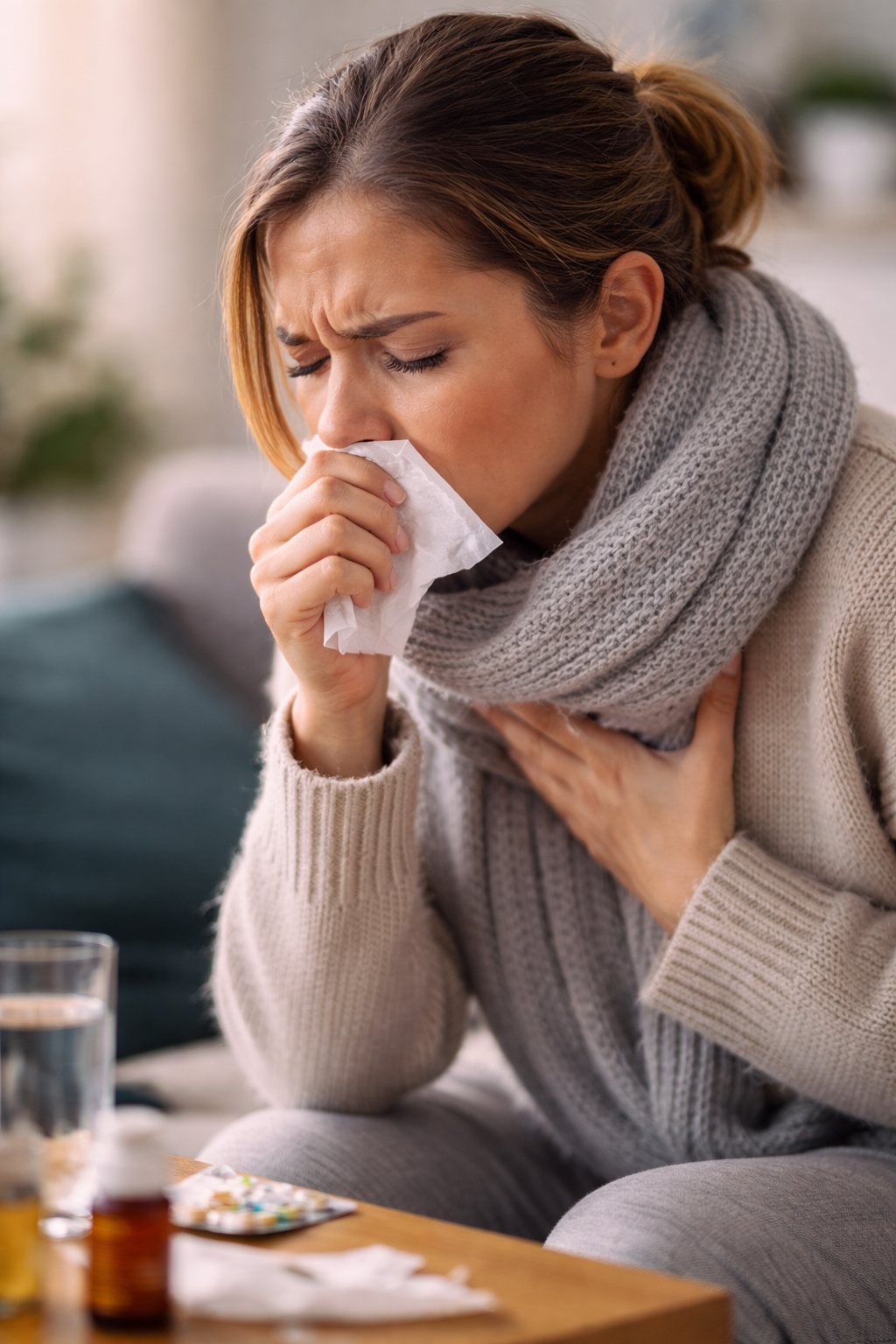
• cough
• fatigue or body weakness
• sore throat
• loss of smell or taste
• headache
• shortness of breath
Some people may experience symptoms similar to flu or common cold.
When Should You Seek Medical Care?
Medical evaluation is important if symptoms become severe.
Seek medical care immediately if:
• difficulty breathing occurs
• chest pain develops
• confusion appears
• lips or face become bluish
• high fever persists
People with underlying health conditions should seek medical advice earlier if symptoms worsen.
Final Advice
Most COVID-19 infections are mild and improve with rest, hydration, and supportive care.
However, monitoring symptoms is important.
If symptoms worsen or breathing becomes difficult, medical evaluation is necessary.
Early care helps prevent complications.
Medical References
• World Health Organization – COVID-19 Guidelines
• Centers for Disease Control and Prevention – COVID-19 Information
• National Institutes of Health – COVID-19 Clinical Guidance
Medical Disclaimer
This article is for educational purposes only and is not a substitute for professional medical advice, diagnosis, or treatment.
Always consult a qualified healthcare professional if you have symptoms or concerns about your health.