Read in: English | Pidgin English
🔍 Quick Summary
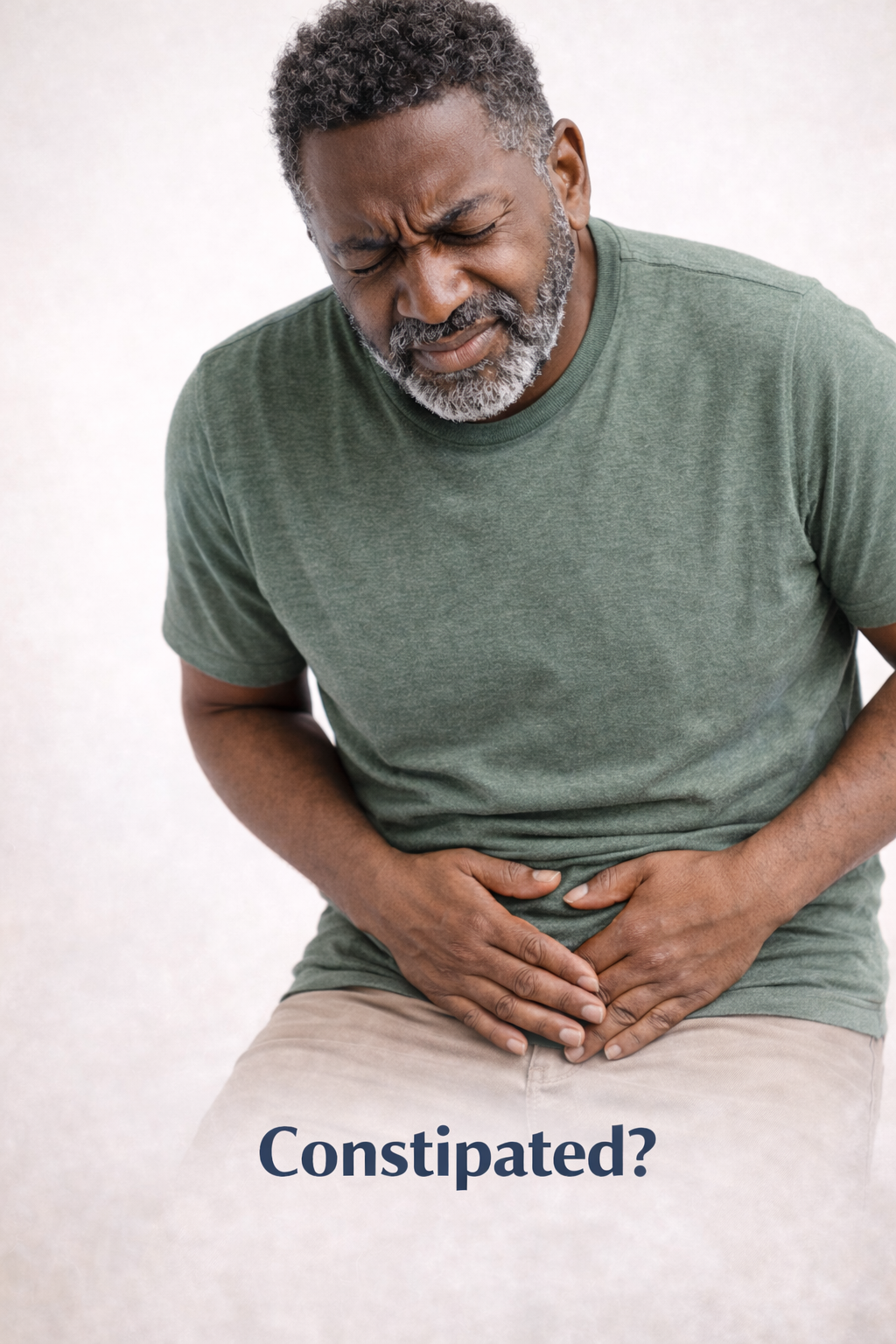
Constipation is when bowel movements become less frequent or difficult to pass.
It is common and often linked to diet, hydration, or lifestyle.
1️⃣ Introduction
Constipation refers to infrequent or hard-to-pass stools.
• fewer than 3 bowel movements per week (general guide)
• hard, dry stools or straining during passing
• feeling of incomplete emptying
👉 Constipation is not just about frequency—it’s also about how difficult it feels.
2️⃣ How it happens
The bowel moves stool through the intestine using muscle contractions.
• slow movement of stool in the colon
• too much water absorbed → stool becomes hard
• weak or uncoordinated bowel movement
👉 The longer stool stays in the colon, the harder it becomes.
3️⃣ Types (if applicable)
• Acute constipation
- short-term and temporary
- often related to diet or routine change
• Chronic constipation
- long-lasting or recurring
- may involve underlying conditions
👉 Chronic constipation often needs a deeper evaluation.
4️⃣ Common causes
• Lifestyle factors
- low fiber intake
- inadequate fluid intake
• Behavioral or medical factors
- ignoring the urge to pass stool
- medications (e.g. opioids, iron supplements)
5️⃣ Symptom explanation
• hard, dry stools
• straining during bowel movements
• feeling of blockage or incomplete emptying
👉 These symptoms occur because stool becomes dry and difficult to move through the colon.
6️⃣ Associated symptoms
• bloating
• abdominal discomfort
• reduced appetite
• fatigue
👉 These symptoms happen due to stool build-up and pressure in the bowel.
7️⃣ When it becomes dangerous 🚨
• severe abdominal pain
• blood in stool
• unexplained weight loss
👉 These may indicate:
• bowel obstruction or serious disease
• underlying gastrointestinal condition
8️⃣ Management / treatment
• increase fiber intake (fruits, vegetables, whole grains)
• drink enough fluids
• regular physical activity
9️⃣ Diagnosis
• symptom history and bowel habits
• physical examination
• further tests if needed (e.g. colonoscopy)
👉 Most cases are diagnosed based on history and lifestyle factors.
🔟 Important message
Constipation is common and often improves with simple lifestyle changes.
👉 Listening to your body and responding early can prevent discomfort.
FAQ
• How often should I have a bowel movement?
It varies, but anywhere from 3 times a day to 3 times a week can be normal.
• Can constipation go away on its own?
Yes, especially if related to diet or temporary changes.
🔗 Related Health Topics
• Diarrhea
• Abdominal pain
• Irritable bowel syndrome
📚 Medical References
• World Health Organization (WHO). Digestive health.
• National Health Service (NHS). Constipation.
• Centers for Disease Control and Prevention (CDC). Digestive health.
• Mayo Clinic. Constipation overview.
• National Institute for Health and Care Excellence (NICE). Constipation management.
• American College of Gastroenterology (ACG). Constipation guidelines.
⚠️ Medical Disclaimer
This article is for educational purposes only and does not replace professional medical advice.
If you have symptoms or concerns, please consult a qualified healthcare professional.