Read in: English | Pidgin English
🩺 Medically reviewed by the Health Decoded Guide Editorial Team· Last reviewed: July 2026
🔍 Quick Summary
Blood sugar monitoring helps track glucose levels in the body.
It is essential for managing diabetes and preventing complications.
1️⃣ Introduction
Blood sugar (glucose) is the body’s main source of energy.
• levels must stay within a healthy range
• too high or too low can cause problems
• monitoring helps maintain balance
👉 Knowing your numbers helps you take control of your health.
2️⃣ How it happens
Blood sugar levels change throughout the day.
• rise after eating
• fall with activity or medication
• influenced by stress and illness
👉 Monitoring shows how your body responds to daily activities.
3️⃣ Types
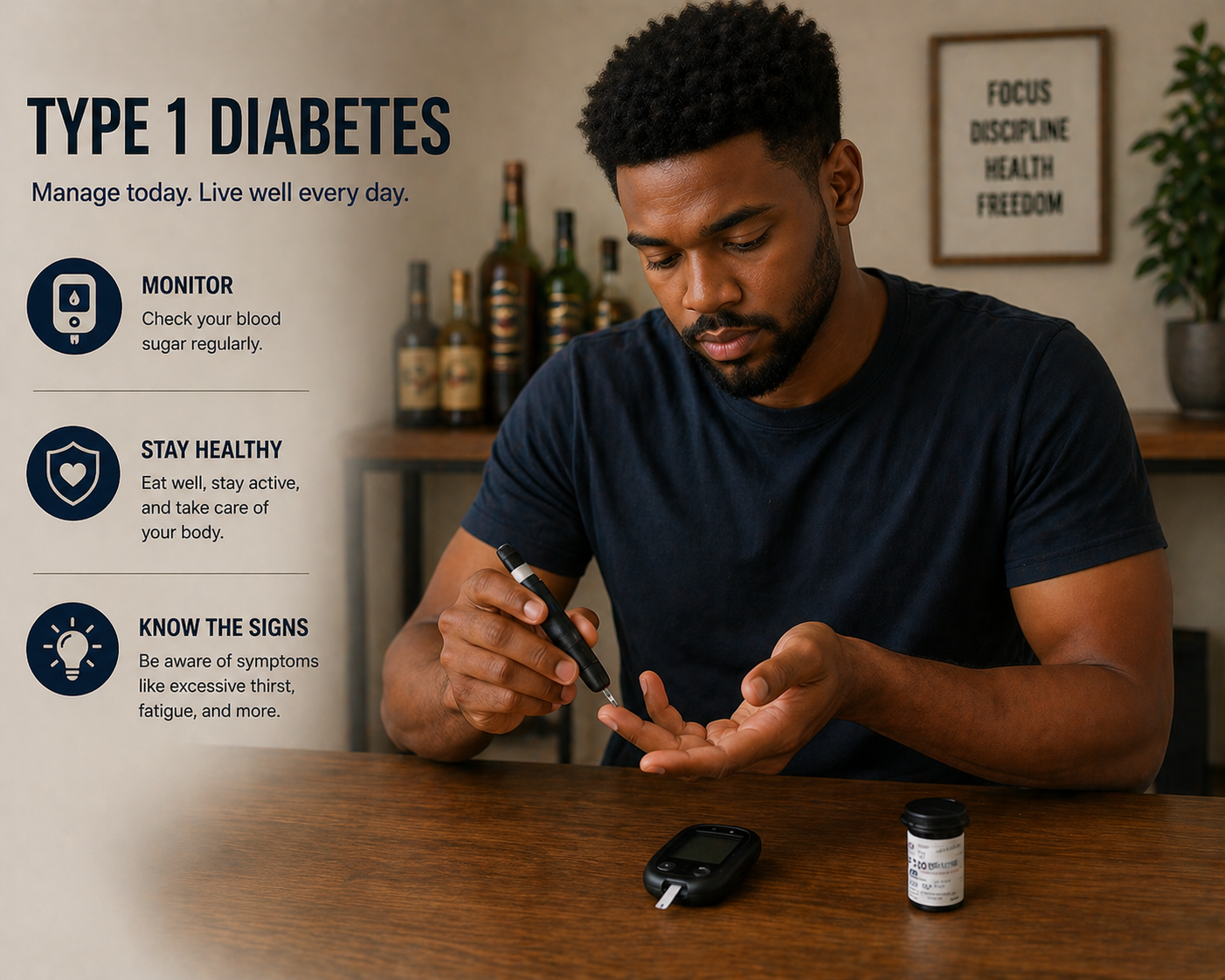
• Finger-prick testing
- small drop of blood
- gives immediate result
• Continuous glucose monitoring (CGM)
- sensor under the skin
- tracks levels continuously
👉 Different methods suit different needs.
4️⃣ Common reasons for monitoring
• managing diabetes
- adjust food and medication
• detecting abnormal levels
- prevent complications
5️⃣ Symptoms
• high blood sugar (hyperglycemia)
- thirst
- frequent urination
• low blood sugar (hypoglycemia)
- dizziness
- sweating
👉 Monitoring helps detect these early.
6️⃣ Associated benefits
• better glucose control
• reduced complications
• improved energy levels
• informed lifestyle choices
👉 Regular monitoring supports long-term health.
7️⃣🩺 When it becomes dangerous 🚨
• very high readings
• very low readings
• symptoms like confusion or fainting
👉 These may indicate:
• diabetic emergency
• need for urgent care
8️⃣ Management / use
• check at recommended times
• record results
• adjust diet, activity, or medication
9️⃣ Target ranges (general guidance)
• fasting: ~4–7 mmol/L
• after meals: <10 mmol/L
👉 Targets may vary—follow medical advice.
🟢 Important message
Monitoring blood sugar is a powerful tool.
👉 It helps you understand and manage your health daily.
FAQ
• How often should I check?
Depends on your condition and treatment plan.
• Can non-diabetics monitor?
Yes, but it is mainly used for diabetes care.
🔗 Related Health Topics
• Diabetes
• Diabetes prevention
• Healthy diet Basics
• Exercise and Health
• High Blood Pressure
• Metabolic Syndrome
📚 Medical References
• World Health Organization (WHO). Diabetes.
• Centers for Disease Control and Prevention (CDC). Monitoring Your Blood Sugar.
• Mayo Clinic. Blood sugar testing: Why, when and how.
• National Institute for Health and Care Excellence (NICE). Type 2 diabetes in adults: management – Blood glucose management.
• American Diabetes Association (ADA). Check Your Blood Glucose | Diabetes Testing & Monitoring.
⚠️ Medical Disclaimer
This article is for educational purposes only and does not replace professional medical advice.
Consult a healthcare professional for personalized guidance.