

Painful Period (Menstrual Pain): Wetin Fit Cause Am and When to See Doctor
Read in: English | Pidgin
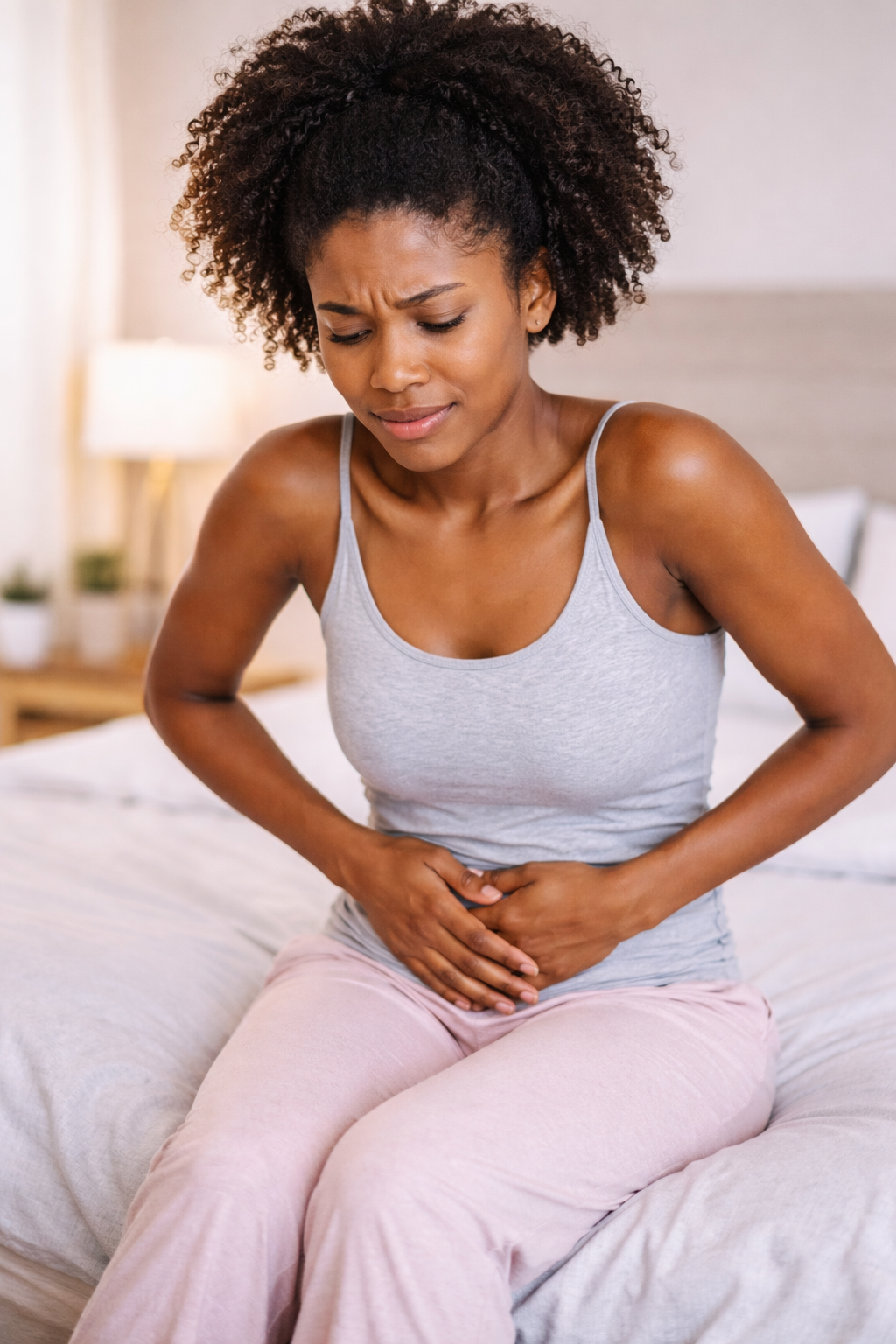
Painful period na something many women dey experience.
Small discomfort during monthly period fit normal, but serious pain wey disturb your daily activities fit mean say medical check dey necessary.
Understanding why period pain dey happen fit help you know when e normal and when e need doctor attention.
Why Period Pain Dey Happen?
During menstruation, the womb (uterus) dey contract to push out the lining wey the body no need again.
These contractions fit cause cramps and pain for the lower belly.
Some hormones also make the contractions stronger, which fit increase the pain.
Common Causes of Painful Period
1️⃣ Normal Menstrual Cramps
This na the most common cause.
E fit start some years after a girl begin see period.
Common symptoms include:
• lower belly pain
• back pain
• nausea
• tiredness
Most times the pain reduce as person grow older.
2️⃣ Hormone Changes
Hormone imbalance fit make the womb contract more strongly.
Hormone problems fit also cause:
• irregular period
• heavy menstrual bleeding
• missed period
3️⃣ Womb Problems
Sometimes painful period fit happen because of other conditions such as:
• fibroid for the womb
• endometriosis
• pelvic infection
These conditions fit cause stronger or longer-lasting pain.
Other Symptoms Wey Fit Follow Period Pain
Some women fit also experience:
• headache
• weakness
• nausea
• back pain
If the symptoms mild and improve after some days, e usually no serious.
When Person Suppose See Doctor?
Make doctor check you if:
• the pain too severe
• pain suddenly worse pass before
• bleeding too heavy
• period pattern change
• pain disturb your normal daily life
Medical check fit help find the real cause.
Final Advice
Small menstrual cramps normal for many women.
But if the pain strong or persistent, no ignore am.
Understanding your body fit help you know when medical help necessary.
Medical References
• World Health Organization – Women’s Health
• American College of Obstetricians and Gynecologists
• NHS – Dysmenorrhea Information
• Peer-reviewed gynecology guidelines
Medical Disclaimer
This article na for educational purpose only. E no replace medical advice from qualified health professional. Always talk to doctor or trained health worker about your health concerns.