

Read in: English | Pidgin
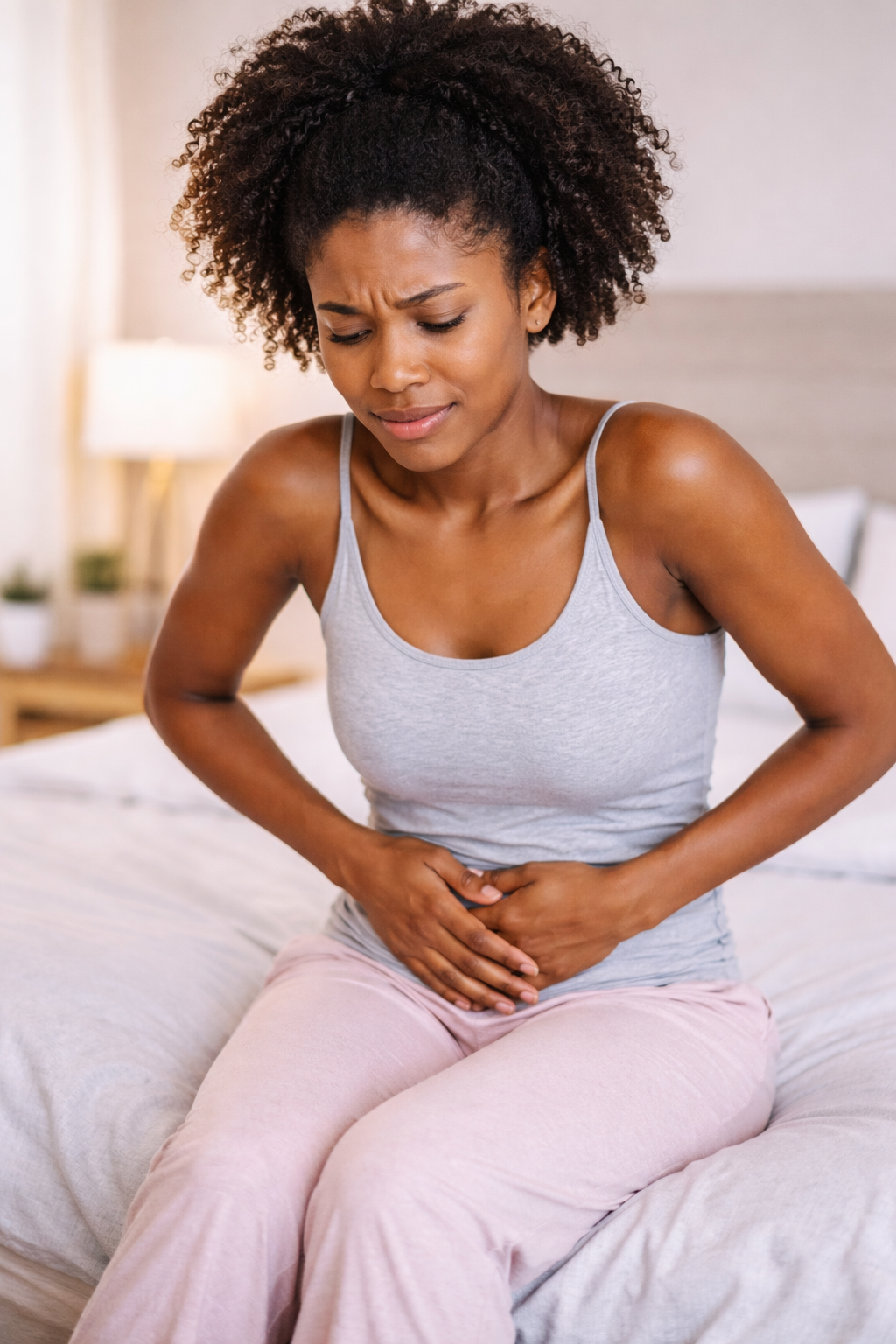
Painful periods are one of the most common health complaints among women.
Many women experience some discomfort during menstruation, but severe pain that interferes with daily activities may need medical evaluation.
Understanding why period pain happens can help you know when it is normal — and when it may signal an underlying condition.
What Causes Painful Periods?
During menstruation, the uterus contracts to help shed its lining. These contractions are triggered by hormone-like substances called prostaglandins.
Stronger uterine contractions can reduce blood flow temporarily, causing pain.
Common Causes of Painful Periods
1️⃣ Primary Dysmenorrhea
This is the most common type of period pain.
It occurs without an underlying disease and usually starts within a few years after menstruation begins.
Symptoms often include:
• lower abdominal cramps
• back pain
• nausea
• fatigue
Pain usually improves with age or after childbirth.
2️⃣ Hormonal Imbalance
Changes in hormone levels can affect how strongly the uterus contracts.
Hormonal imbalance may also cause:
• irregular periods
• heavy bleeding
• missed periods
3️⃣ Uterine Conditions
Sometimes painful periods are caused by underlying gynecological conditions such as:
• uterine fibroids
• endometriosis
• pelvic infections
These conditions may cause severe or worsening pain during menstruation.
You can also read more about uterine fibroids and irregular periods, which may contribute to menstrual pain.
Symptoms That May Occur With Period Pain
Painful periods may also be associated with:
• lower back pain
• headache
• fatigue
• nausea
• diarrhea
If symptoms are mild and improve after a few days, they are often not dangerous.
When Should You See a Doctor?
Seek medical advice if:
• period pain is severe
• pain suddenly becomes worse than usual
• bleeding becomes very heavy
• periods become irregular
• pain interferes with normal daily activities
These symptoms may require further medical evaluation.
Final Thoughts
Mild period pain is common and often manageable.
However, severe or persistent menstrual pain should not be ignored. Understanding your body helps you know when to seek medical care.
Medical References
• World Health Organization – Women’s Health
• American College of Obstetricians and Gynecologists
• NHS – Dysmenorrhea Guidelines
• Peer-reviewed gynecology guidelines
Medical Disclaimer
This article is for educational purposes only and does not replace professional medical advice, diagnosis, or treatment. Always consult a qualified healthcare professional if you have concerns about your health.