Read in: English | Pidgin English
🩺 Medically reviewed by the Health Decoded Guide Editorial Team · Last reviewed: July 2026
🔎 Quick Summary
Sleep problems are common and can happen for many reasons, including stress, poor sleep habits or sleep disorders such as nightmares, night terrors and sleep paralysis. Poor sleep can affect mood, memory, concentration, physical health and quality of life.
1️⃣ Introduction
Sleep gives the brain and body time to rest, recover and prepare for a new day.
Most people have an occasional bad night's sleep, but when sleep problems happen often or begin affecting daily life, they may need medical attention.
2️⃣ How sleep works
Sleep is not one continuous state.
Instead, the brain moves through different sleep stages several times every night.
During sleep:
• the brain cycles between light sleep, deep sleep and dream (REM) sleep
• hormones help control when we feel sleepy and when we wake up
• the body repairs tissues, strengthens the immune system and stores memories
👉 When these normal sleep cycles are disrupted, a person may struggle to fall asleep, stay asleep or experience unusual events during sleep.
3️⃣ Early symptoms
Sleep problems may cause:
• difficulty falling asleep
• waking up several times during the night
• waking too early and struggling to fall asleep again
• feeling tired even after sleeping
• poor concentration or memory
• daytime sleepiness
• irritability or mood changes
4️⃣ Symptom explanation
Different sleep problems happen in different ways.
Some people cannot fall asleep easily.
Others sleep but wake up repeatedly or never feel refreshed.
Some people experience unusual events during sleep, such as:
• nightmares – vivid frightening dreams that often wake the person up
• night terrors – sudden episodes of screaming, fear or confusion during sleep, usually without remembering them later
• sleep paralysis – waking up unable to move or speak for a short time, sometimes with the feeling that someone is in the room or pressure on the chest
👉 Although sleep paralysis and night terrors can feel frightening, they are recognised sleep disorders and usually do not mean the person is "possessed" or losing their mind.
5️⃣ Common causes
Sleep problems can happen because of:
• stress, anxiety or emotional distress
• irregular sleeping hours or shift work
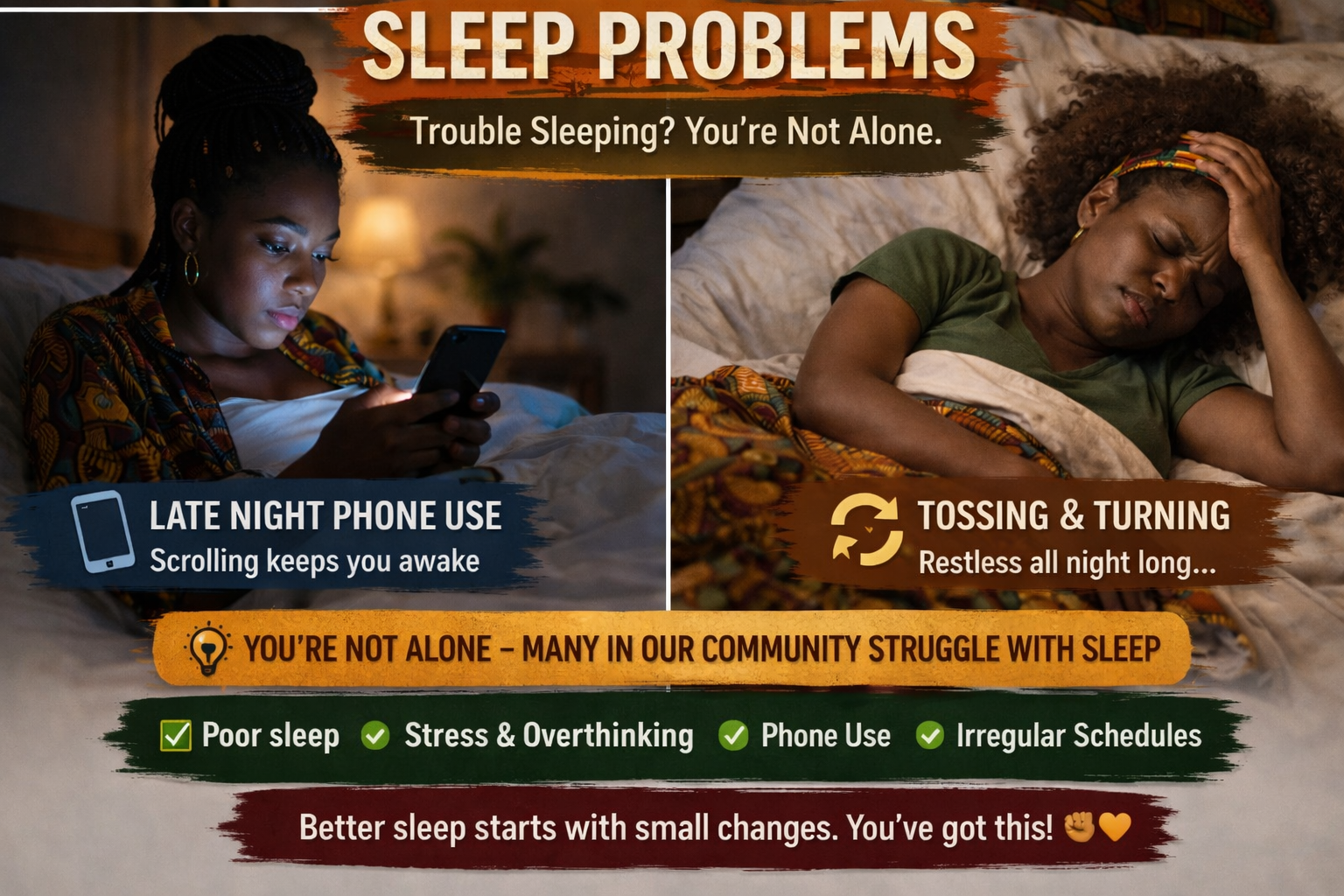
• excessive screen use before bedtime
• caffeine, nicotine or alcohol
• certain medicines
• chronic pain or other medical conditions
• depression or anxiety disorders
• primary sleep disorders such as insomnia, nightmares, night terrors or sleep paralysis
Sometimes more than one cause contributes to poor sleep.
👉Anxiety and depression are common causes of ongoing sleep problems, and poor sleep can also make these conditions worse.
6️⃣ Why we delay
Many people delay seeking help because they think:
• "Everybody has trouble sleeping sometimes."
• "I just need to sleep earlier."
• "Stress will soon pass."
• "Nightmares or sleep paralysis are not real medical problem."
• "I don't have time to see doctor."
👉 Although an occasional poor night's sleep is common, persistent sleep problems can affect your physical health, mental health, work, school and relationships. Some sleep disorders may also be a sign of an underlying medical condition that needs treatment.
Comparison note
Sleep problems may overlap with:
• anxiety
• depression
• stress and burnout
👉 Poor sleep can both result from these conditions and make them worse, creating a cycle that can be difficult to break.
7️⃣ Why good sleep matters
Many people think poor sleep is just an inconvenience.
But getting enough good-quality sleep is essential for good physical and mental health.
During sleep, the body repairs itself, strengthens the immune system,
balances hormones and helps the brain process memories and emotions.
Over time, ongoing sleep problems may increase the risk of:
• poor concentration and memory problems
• mood disorders such as anxiety and depression
• accidents at work or while driving because of tiredness
• weakened immune system
• high blood pressure and heart disease
• obesity and type 2 diabetes
• reduced quality of life
👉 Sleep is not a luxury. Just like eating healthy food and exercising, good sleep is essential for long-term health.
8️⃣ When it becomes serious
🚨 Seek medical help if:
• sleep problems continue for several weeks
• excessive daytime sleepiness affects work, school or driving
• mood or behaviour changes become severe
• frequent nightmares, night terrors or sleep paralysis cause significant distress
• sleep problems occur with loud snoring, pauses in breathing or repeated choking during sleep
⚠️ Long-term sleep problems can affect both physical and mental health.
9️⃣ Management / support
• Healthy sleep habits
• keep a regular bedtime and waking time
• reduce screen use before bed
• keep the bedroom quiet, dark and comfortable
• avoid caffeine or alcohol close to bedtime
• Lifestyle support
• exercise regularly
• manage stress
• practise relaxation techniques before sleep
• Specific support
• reassurance and education for nightmares and sleep paralysis
• regular bedtime routines for children with night terrors
• treat any underlying medical or mental health condition
• Professional support
👉 A doctor can help identify the cause and recommend the most appropriate treatment if sleep problems continue.
🔟 Diagnosis / evaluation
Doctors may ask about:
• sleep habits and bedtime routines
• daytime symptoms
• medicines, alcohol or caffeine use
• mental health
• snoring or breathing problems during sleep
👉 Some people may be referred for a sleep study to look for conditions such as sleep apnoea or other sleep disorders.
🟢 Important message
Sleep problems are common, but persistent issues should not be ignored.
Understanding the cause is the first step toward improving sleep and overall well-being.
FAQ
• Why do I feel like something is pressing my chest at night?
This may be sleep paralysis, a temporary condition where the body cannot move while waking.
• Are nightmares normal?
Yes, but frequent nightmares may need attention.
• What are night terrors?
Episodes of intense fear during sleep, more common in children.
• When should I worry about sleep problems?
If they persist or affect daily life.
• Can sleep problems be treated?
Yes, depending on the cause.
🔗 Related Health Topics
• Stress and Burnout
• Anxiety
• Depression
• Fatigue
• Sleep Paralysis (coming soon)
• Night Terrors in Children (coming soon)
📚 Medical References
• Centers for Disease Control and Prevention (CDC). Sleep Resources.
• National Health Service (NHS). Insomnia.
• Mayo Clinic. Sleep disorders.
• American Academy of Sleep Medicine (AASM). International Classification of Sleep Disorders (ICSD-3-TR).
⚠️ Medical Disclaimer
This article is for educational purposes only and does not replace professional medical advice, diagnosis, or treatment.
If sleep problems persist, worsen, or significantly affect your daily life, seek medical advice from a qualified healthcare professional.