

Read in: English | Pidgin English
🩺 Medically reviewed by the Health Decoded Guide Editorial Team · Last reviewed: July 2026
🔍 Quick Summary
Heart disease refers to conditions that affect how the heart works. Some develop slowly—others can become emergencies if not recognized early.
1️⃣ Introduction
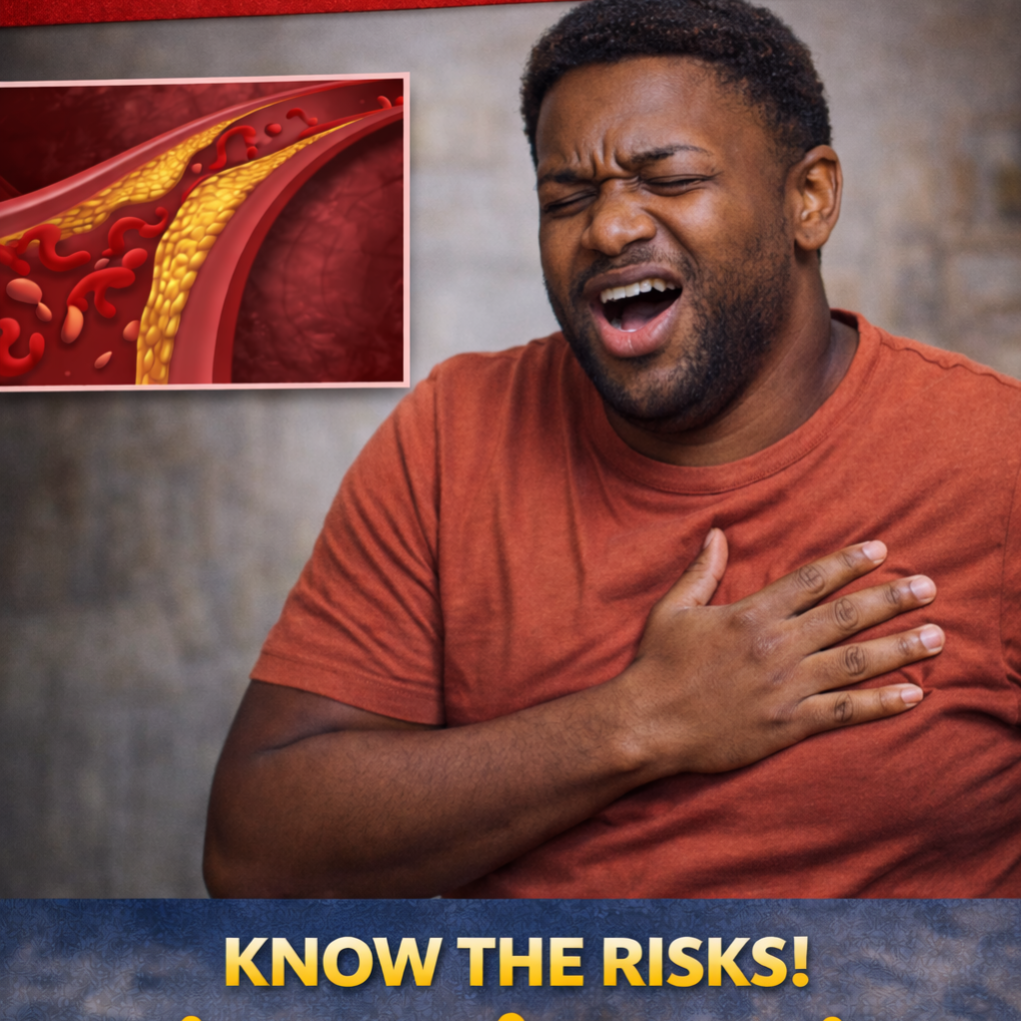
Heart disease is a broad term for conditions affecting the heart.
• includes problems with blood flow, rhythm, or structure
• can affect people of all ages
• often linked to lifestyle and health factors
👉 Many heart conditions develop quietly before symptoms appear.
2️⃣ How it happens
The heart depends on steady blood flow and electrical signals.
• blood vessels may narrow or block
• heart muscle may weaken
• electrical signals may become irregular
👉 These changes affect how effectively the heart pumps blood.
3️⃣ Types
- reduced blood flow to the heart
- may cause chest pain
• Heart rhythm disorders (arrhythmias)
- irregular heartbeat
- may cause palpitations
- the heart cannot pump blood effectively
• Heart valve disease
- one or more heart valves do not work properly
👉 Different types of heart disease affect the heart in different ways and may require different treatments.
4️⃣ Common causes
Lifestyle factors
• smoking
• unhealthy diet
• lack of physical activity
• being overweight or obesity
• excessive alcohol intake
Medical factors
• high blood pressure
• diabetes
• high cholesterol
• chronic kidney disease
Other risk factors
• increasing age
• family history of heart disease
• long-term stress
The more risk factors a person has, the greater their chance of developing heart disease.
👉 Many of these risk factors can be improved through healthy lifestyle changes and appropriate treatment.
5️⃣ Symptom explanation
• chest tightness or discomfort
• shortness of breath
• fatigue
👉 These occur due to reduced blood flow or heart strain.
6️⃣ Associated symptoms
• dizziness
• palpitations
• swelling in legs
• nausea (in some cases)
👉 Symptoms may vary depending on the condition.
7️⃣🩺 When it becomes dangerous 🚨
• severe chest pain
• sudden shortness of breath
• fainting or collapse
👉 These may indicate:
• heart attack or serious heart problem
• need for emergency medical care
8️⃣ Management / treatment
Treatment depends on the type and severity of heart disease.
It may include:
• healthy lifestyle changes (diet, exercise and stopping smoking)
• medicines
• medical procedures or surgery, if needed
• regular follow-up with your doctor
👉 Early treatment and healthy lifestyle changes can help reduce symptoms, prevent complications and improve quality of life.
9️⃣ Diagnosis
• clinical assessment
• ECG and blood tests
• imaging (e.g. echocardiogram)
👉 Early detection improves outcomes.
🟢 Important message
Heart disease is common—but often preventable and manageable.
👉 Small lifestyle changes can significantly protect your heart.
FAQ
• Can heart disease be prevented?
Yes, many risk factors can be controlled.
• Is chest pain always heart-related?
No—but it should always be evaluated.
• Can young people develop heart disease?
Yes. Although it is more common with age, heart disease can also affect younger people, especially if they have certain risk factors.
• Can I have heart disease without symptoms?
Yes. Some people have no symptoms until a serious problem, such as a heart attack, occurs.
• When should I seek urgent medical help for chest pain?
Seek emergency medical care if chest pain is severe, lasts more than a few minutes, or occurs with shortness of breath, sweating, nausea or fainting.
🔗 Related Health Topics
• Chest tightness
• High blood pressure
• Heart Palpitations
• High blood sugar
• Stroke
📚 Medical References
• World Health Organization (WHO). Cardiovascular diseases.
• National Health Service (NHS). Coronary heart disease.
• Centers for Disease Control and Prevention (CDC). About Heart Disease.
• Mayo Clinic. Heart disease.
• National Institute for Health and Care Excellence (NICE). Cardiovascular disease: risk assessment and reduction, including lipid modification (NG238). • American Heart Association (AHA). What is Cardiovascular Disease?
⚠️ Medical Disclaimer
This article is for educational purposes only and does not replace professional medical advice.
If you have symptoms suggestive of heart disease, seek medical care promptly.