Read in: English | Pidgin English
🩺 Medically reviewed by licensed physicians with over 10 years of clinical experience
🔍 Quick Summary
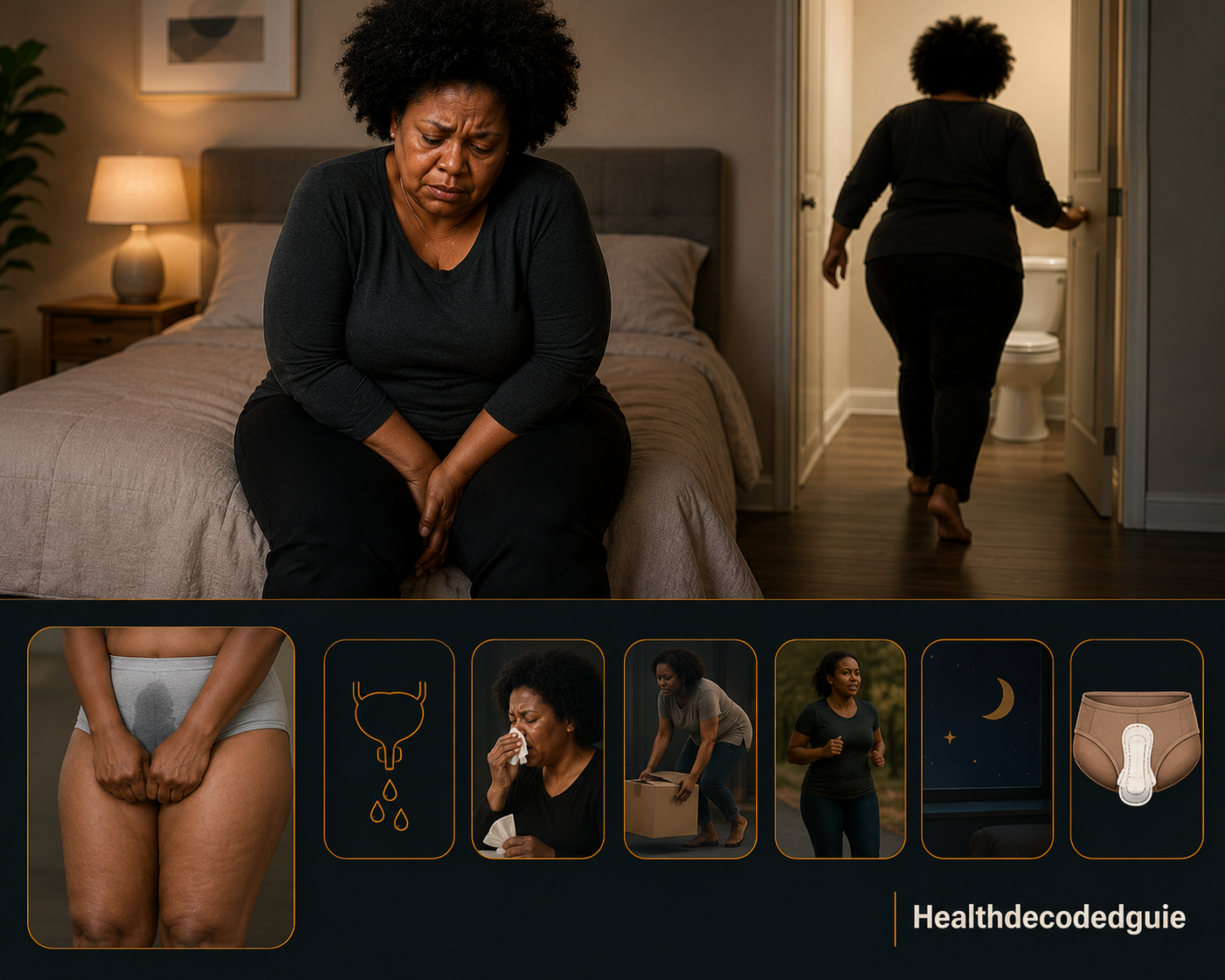
Overactive bladder is a condition where the bladder suddenly contracts too often or too strongly.
It may cause sudden urges to urinate, frequent urination, nighttime urination, or urine leakage.
The condition is common and can affect daily activities, sleep, and confidence.
1️⃣ Introduction
The bladder normally stores urine until the body is ready to urinate.
• bladder muscles and nerves help control urination
• overactive bladder causes sudden uncontrolled urges
• symptoms may happen with or without urine leakage
👉 Many people with overactive bladder feel embarrassed, but treatment and support are available.
2️⃣ How it happens
The bladder muscle may contract too early or too often.
• nerve signals may become overactive
• bladder muscles squeeze before the bladder is full
• urgency and frequent urination may result
👉 Sudden bladder contractions can make it difficult to hold urine.
3️⃣ Types
• Overactive bladder without incontinence
- strong urges to urinate
- frequent bathroom visits without leakage
• Overactive bladder with urge incontinence
- sudden urge followed by leakage
- difficulty reaching the toilet in time
👉 Some people mainly notice urgency, while others experience leakage too.
4️⃣ Common causes
• Aging and hormonal changes
- bladder muscle changes
- menopause-related tissue changes
• Neurological conditions
- stroke
- Parkinson’s disease or nerve disorders
• Lifestyle and bladder irritants
- caffeine
- alcohol or certain medications
👉 Sometimes no single clear cause is identified.
5️⃣ Symptoms
• sudden strong urge to urinate
• frequent urination
• waking up often at night to urinate
👉 Symptoms happen because the bladder contracts too frequently.
6️⃣ Associated symptoms
• urine leakage before reaching the toilet
• anxiety about bathroom access
• sleep disturbance
• reduced confidence in public or social settings
👉 Nighttime symptoms can significantly affect sleep quality.
7️⃣🩺 When it becomes dangerous 🚨
• blood in urine
• severe pelvic pain
• fever
• inability to urinate properly
👉 These may indicate:
• urinary tract infection or bladder disease
• conditions needing urgent medical evaluation
8️⃣ Management / treatment
• bladder training exercises
• pelvic floor strengthening
• medications to relax bladder muscles in some cases
Supportive Measures
• reduce excessive caffeine or alcohol
• schedule regular toilet visits
• maintain healthy body weight
• practice pelvic floor exercises consistently
👉 Many people improve with lifestyle changes and bladder retraining.
9️⃣ Diagnosis
• symptom history and bladder diary
• urine testing
• bladder or pelvic assessment if needed
👉 Doctors often diagnose overactive bladder based on symptoms and urinary patterns.
🟢 Important message
Overactive bladder is common and treatable.
Early support and lifestyle changes may help improve bladder control, confidence, and sleep quality.
👉 Sudden urges and frequent urination should not automatically be accepted as “normal aging.”
FAQ
• What is overactive bladder?
A condition causing sudden urges and frequent urination.
• Can overactive bladder cause leakage?
Yes. Some people leak urine before reaching the toilet.
• Does caffeine worsen symptoms?
Yes. Caffeine may irritate the bladder.
• Can pelvic floor exercises help?
Yes. They may improve bladder control.
• When should medical help be sought?
If symptoms worsen or occur with pain, fever, or blood in urine.
🔗 Related Health Topics
• Frequent Urination in Women
• Urinary Incontinence in Women
• Pelvic Floor Weakness
• Waking Up Often to Pee at Night
• Burning During Urination
• Pelvic Floor Exercises
📚 Medical References
• World Health Organization (WHO). Bladder health and urinary disorder guidance.
• National Health Service (NHS). Overactive bladder information and treatment options.
• Mayo Clinic. Overactive bladder overview and symptom management.
• American College of Obstetricians and Gynecologists (ACOG). Female urinary health guidance.
• National Institute for Health and Care Excellence (NICE). Overactive bladder management guidelines.
• International Continence Society (ICS). Bladder control and urinary urgency information.
⚠️ Medical Disclaimer
This article is for educational purposes only and does not replace professional medical advice.
If you have symptoms or concerns, please consult a qualified healthcare professional.