

Read in: English | Pidgin English
🩺 Medically reviewed by the Health Decoded Guide Editorial Team · Last reviewed: July 2026
🔎 Quick Summary
Allergic asthma is the most common type of asthma in children.
It occurs when allergens such as dust mites, pollen or pet dander trigger inflammation and narrowing of the airways, causing asthma symptoms.
1️⃣ Introduction
Allergic asthma is a type of asthma triggered by substances that cause allergic reactions.
When a child with allergic asthma breathes in an allergen, the immune system overreacts, causing the airways to become inflamed and making breathing more difficult.
• It often begins in childhood.
• Many children also have eczema or hay fever.
• Symptoms may come and go depending on exposure to allergens.
👉🏽 Recognising your child's allergy triggers is one of the most effective ways to reduce asthma flare-ups.
2️⃣ How allergies trigger asthma
Children with allergic asthma have sensitive airways.
After exposure to an allergen:
• the immune system releases inflammatory chemicals
• the airways become swollen
• muscles around the airways tighten
• mucus production increases
These changes narrow the airways and make breathing difficult.
👉🏽 Even small amounts of an allergen can trigger symptoms in some children.
3️⃣ Common allergy triggers
Indoor allergens
• Dust mites
• Pet dander
• Mould
• Cockroach allergens
Outdoor allergens
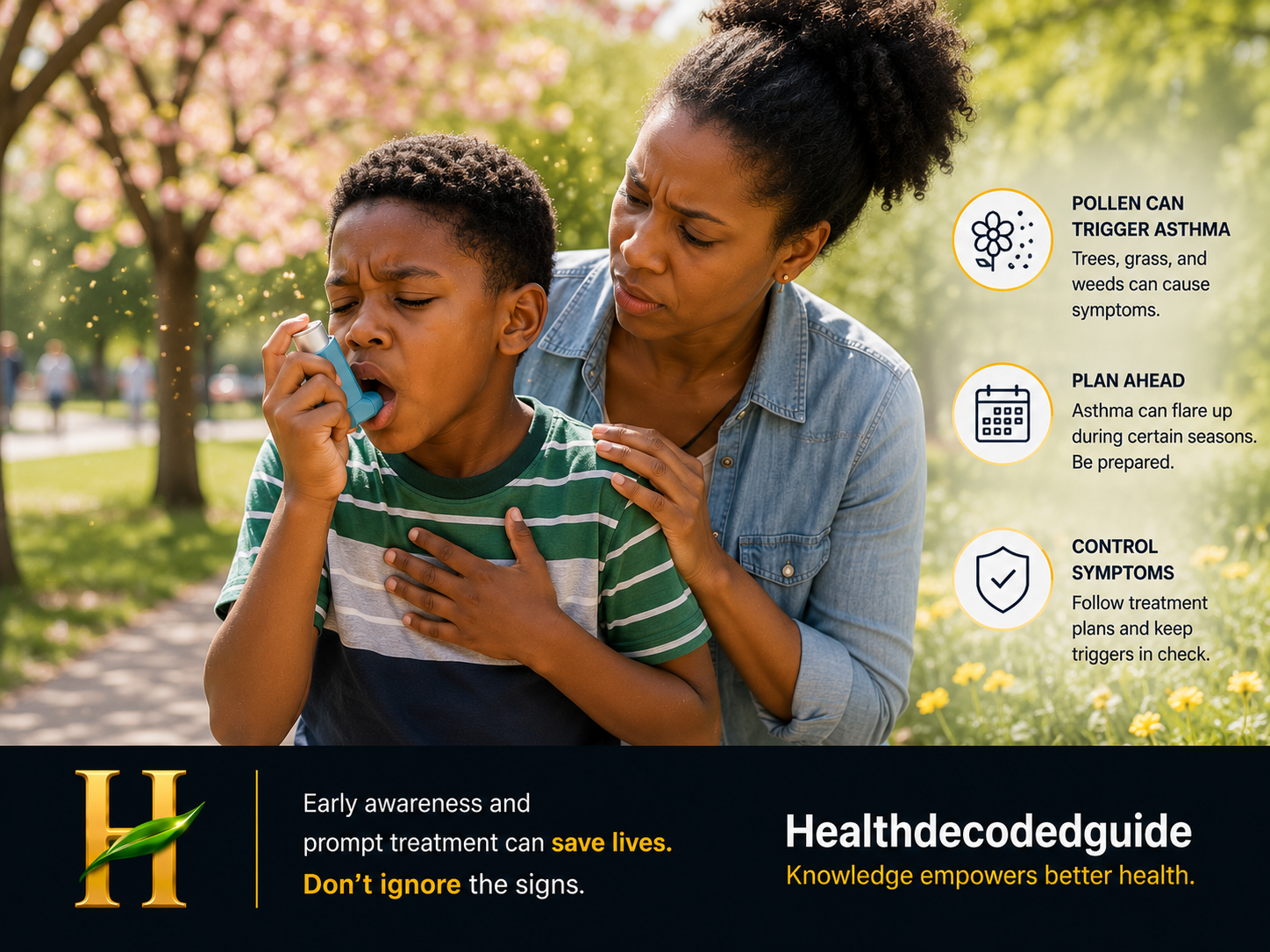
• Tree pollen
• Grass pollen
• Weed pollen
Other triggers
• Cigarette smoke
• Air pollution
• Strong fragrances
• Viral infections
👉🏽 Avoiding known triggers can reduce the number of asthma attacks, but medicines are often still needed to keep asthma under control.
4️⃣ Symptoms
Children may experience:
• Wheezing
• Persistent cough
• Night-time cough
• Shortness of breath
• Chest tightness
• Fast breathing
• Symptoms after exposure to allergens
Some children also have:
• Sneezing
• Itchy or watery eyes
• Runny or blocked nose
• Eczema
👉🏽 Having asthma together with eczema or hay fever may suggest an allergic cause.
5️⃣ How is allergic asthma diagnosed?
A healthcare professional may:
• Ask about symptoms and possible triggers
• Review your child's medical and family history
• Perform a physical examination
• Request spirometry in older children
• Recommend allergy testing when appropriate
👉🏽 Allergy testing can help identify triggers, but it does not diagnose asthma on its own.
6️⃣ Treatment
Treatment depends on how often symptoms occur and how severe they are.
It may include:
Reliever inhalers
• Used during asthma symptoms or attacks.
Preventer inhalers
• Usually inhaled corticosteroids taken regularly to reduce airway inflammation.
Allergy management
• Reducing exposure to allergens.
• Treating allergic rhinitis when present.
• Allergy immunotherapy may be recommended for selected children.
👉🏽 Good asthma control usually requires both appropriate medicines and reducing exposure to known triggers.
7️⃣ Reducing allergens at home
Parents can help by:
• Washing bedding regularly in hot water.
• Using dust mite-proof mattress and pillow covers.
• Vacuuming and cleaning frequently.
• Reducing dampness and mould.
• Keeping pets out of the child's bedroom if they trigger symptoms.
• Avoiding cigarette smoke around children.
👉🏽 Small changes at home can make a meaningful difference for some children with allergic asthma.
8️⃣ When to seek emergency medical care 🚨
Seek immediate medical attention if your child:
• Has severe difficulty breathing.
• Cannot speak in full sentences.
• Lips or fingernails become blue or grey.
• Ribs pull in during breathing.
• Does not improve after using the prescribed reliever inhaler.
• Becomes unusually drowsy or confused.
👉🏽 Severe asthma attacks are medical emergencies and require immediate treatment.
9️⃣ Diagnosis and follow-up
Regular follow-up helps healthcare professionals:
• Monitor asthma control.
• Adjust medicines when needed.
• Review inhaler technique.
• Update the child's asthma action plan.
👉🏽 Many asthma flare-ups happen because inhalers are not used correctly, so regular technique checks are important.
🟢 Important message
Allergic asthma is a common childhood condition, but it can usually be managed successfully.
Understanding your child's allergy triggers, using prescribed medicines correctly and attending regular asthma reviews can help reduce symptoms and prevent serious asthma attacks.
👉🏽 With good asthma control, most children with allergic asthma can enjoy school, sports and everyday activities.
FAQ
• Is allergic asthma different from regular asthma?
Allergic asthma is a type of asthma triggered by allergens such as dust mites, pollen or pet dander.
• Can children outgrow allergic asthma?
Some children experience fewer symptoms as they grow older, while others continue to have asthma into adulthood.
• Does every child with allergies develop asthma?
No. Although allergies increase the risk, many children with allergies never develop asthma.
• Can pets make asthma worse?
Yes. Pet dander can trigger asthma symptoms in children who are allergic to it.
• Is allergy testing always needed?
No. Allergy testing is recommended only when the results are likely to help guide treatment or allergen avoidance.
🔗 Related Health Topics
• Asthma in Children
• Exercise-Induced Asthma in Children
• Night-time Asthma in Children
• Wheezing in Children
• Hay Fever (Allergic Rhinitis)
• Eczema
• How to Use an Inhaler with a Spacer (coming soon)
📚 Medical References
• World Health Organization (WHO). Asthma
• Global Initiative for Asthma (GINA). Global Strategy for Asthma Management and Prevention
• National Health Service (NHS). Asthma in children
• Centers for Disease Control and Prevention (CDC). Asthma
• American Academy of Pediatrics (HealthyChildren.org). Asthma in Children
⚠️ Medical Disclaimer
This article is for educational purposes only and does not replace professional medical advice.
If your child has difficulty breathing, frequent wheezing or symptoms of an asthma attack, please seek prompt medical care. Severe breathing difficulty requires immediate emergency medical attention.