

English
Published on August 15, 2026 at 9:10 PM
🩺 Medically reviewed by Priscilla Afiakurue, MD, Family Medicine Physician | Founder & Lead Medical Editor · Last reviewed: September 2026
🔍 Quick Summary
Pelvic inflammatory disease (PID) is an infection and inflammation of the female reproductive organs,
including the uterus, fallopian tubes and sometimes the ovaries.
PID is treatable with antibiotics, but early treatment is important because untreated infection can
damage the reproductive organs and increase the risk of fertility problems, chronic pelvic pain and ectopic pregnancy.
1️⃣ Introduction
PID usually develops when bacteria travel upwards from the vagina or cervix into the upper reproductive organs.
• it may affect the uterus, fallopian tubes and surrounding tissues
• sexually transmitted infections (STIs) are important causes
• some people have only mild symptoms or no obvious symptoms
👉 PID can sometimes be easy to miss, which is why persistent pelvic pain or unusual vaginal symptoms deserve medical assessment.
2️⃣ How it happens
Normally, the cervix helps protect the upper reproductive organs from infection.
PID can develop when bacteria move beyond this natural barrier.
• bacteria enter through the vagina and cervix
• infection travels upwards into the uterus
• the fallopian tubes and surrounding tissues may become inflamed
• healing may leave scar tissue in some people
👉 Damage to the fallopian tubes is one reason untreated PID can affect future fertility.
3️⃣ Types
Acute PID
• symptoms develop over a relatively short period
• pelvic pain, abnormal discharge or fever may occur
Mild or less obvious PID
• symptoms may be subtle or occasionally absent
• infection can still cause reproductive tract damage
👉 Severe pain is not required for PID to be present.
4️⃣ Common causes
Sexually transmitted infections
• chlamydia
• gonorrhoea
Other bacteria
• bacteria normally found in the vagina can sometimes contribute
• infection may occasionally develop after procedures involving the cervix or uterus
👉 PID itself is not always caused by an STI, but chlamydia and gonorrhoea are important preventable causes.
5️⃣ Symptoms
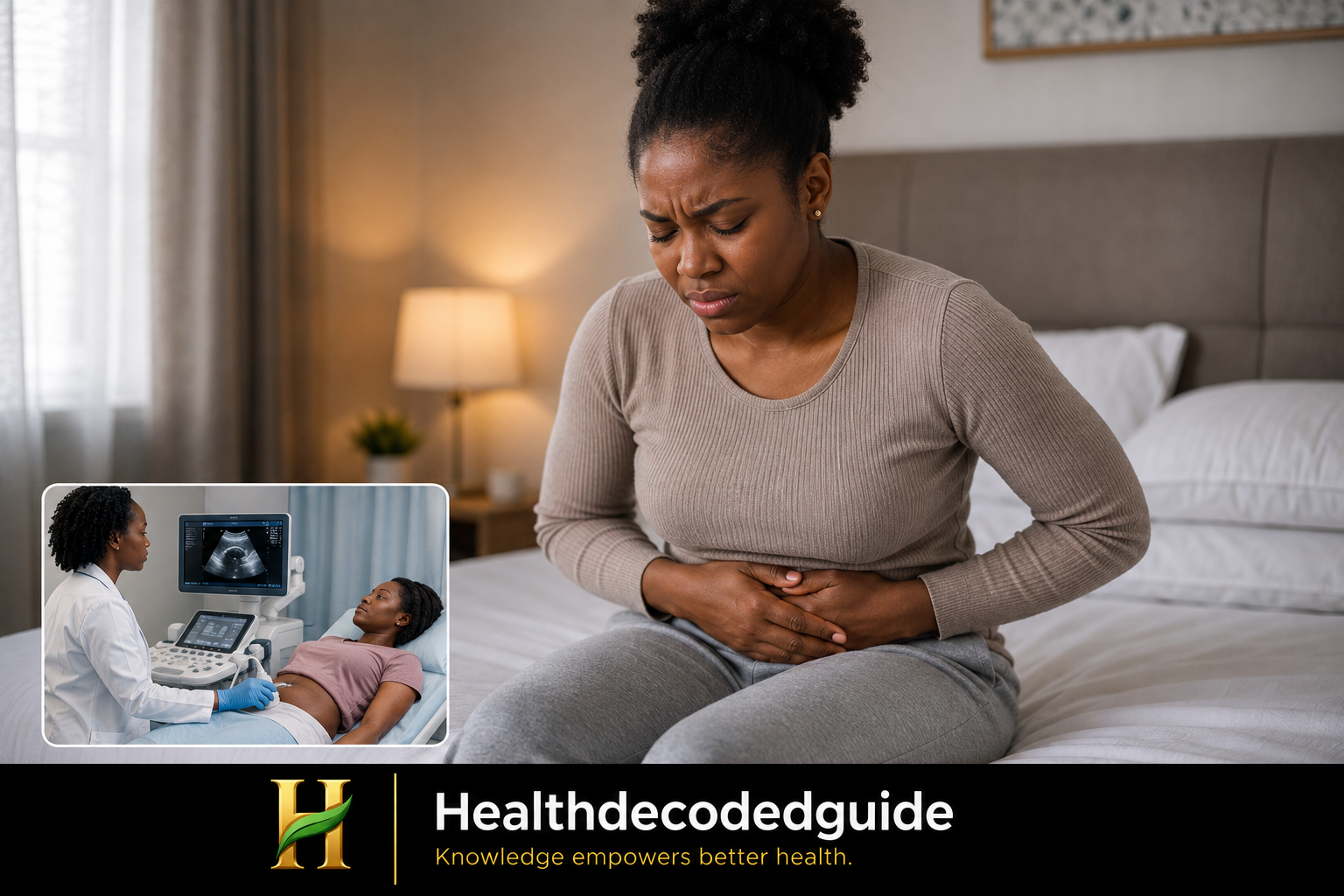
• lower abdominal or pelvic pain
• unusual or increased vaginal discharge
• pain during sex
• bleeding between periods
• bleeding after sex
• painful urination
• fever in some cases
👉 Symptoms can be mild, so changes in vaginal discharge, bleeding or persistent pelvic discomfort should not automatically be dismissed.
6️⃣ Associated symptoms or complications
Untreated or repeated PID may lead to:
• chronic pelvic pain
• scarring of the fallopian tubes
• difficulty becoming pregnant
• ectopic pregnancy
• tubo-ovarian abscess
👉 Early treatment can clear the infection, but antibiotics cannot reverse scarring that has already developed.
7️⃣ 🩺 When it becomes dangerous 🚨
Seek urgent medical assessment for:
• severe or rapidly worsening pelvic pain
• high fever or chills
• persistent vomiting
• fainting, severe dizziness or weakness
• pelvic pain with a positive pregnancy test or possible pregnancy
• severe pain with heavy vaginal bleeding
👉 These may indicate:
• severe PID, an abscess, ectopic pregnancy or another urgent condition
• need for urgent medical assessment
8️⃣ Management / treatment
PID is usually treated with a combination of antibiotics.
Management may include:
• starting antibiotics promptly when PID is suspected
• completing the entire antibiotic course
• testing and treatment for STIs when appropriate
• assessment and treatment of recent sexual partners when indicated
• avoiding sex until treatment is completed and appropriate partner treatment has occurred
• hospital treatment for severe cases
👉 Do not stop antibiotics simply because the pain improves—the infection may not yet be completely treated.
9️⃣ Diagnosis
There is no single test that diagnoses every case of PID.
Assessment may include:
• medical and sexual history
• abdominal and pelvic examination
• pregnancy test
• vaginal or cervical swabs for infections
• blood and urine tests
• pelvic ultrasound when needed
👉 Healthcare professionals may start treatment before every test result returns because delaying treatment can increase the risk of complications.
🟢 Important Message
PID is treatable, and seeking care early can help protect reproductive health.
👉 Pelvic pain with unusual discharge, bleeding or pain during sex deserves medical assessment—especially if there may be a risk of an STI.
FAQ
• Is PID always caused by an STI?
No. Chlamydia and gonorrhoea are important causes, but other bacteria can also cause PID.
• Can PID affect fertility?
Yes. PID can scar the fallopian tubes, particularly after severe or repeated infections, and this may make pregnancy more difficult.
• Can you have PID without knowing?
Yes. Some people have mild symptoms or no obvious symptoms.
• Can PID come back after treatment?
Yes. Treatment clears the current infection but does not prevent future infection. Reinfection with an STI can cause PID again.
🧠 Why We Delay
PID symptoms can be mistaken for period pain, a urine infection or "normal" vaginal changes. Embarrassment about vaginal discharge, sexual symptoms or STI testing can also make some people delay seeking medical care.
PID is a medical infection—not a judgement about someone's behaviour. Early assessment and treatment can clear the infection and reduce the risk of long-term reproductive complications.
👉 Don't let embarrassment delay care—persistent pelvic pain with unusual discharge or bleeding deserves proper assessment.
🔗 Related Health Topics
• Pelvic Pain
• Chlamydia
• Gonorrhoea
• Ectopic Pregnancy
• Sexually Transmitted Infections (STIs)
📚 Medical References
• National Health Service (NHS). Pelvic inflammatory disease.
• Centers for Disease Control and Prevention (CDC). Pelvic Inflammatory Disease (PID).
• American College of Obstetricians and Gynecologists (ACOG). Pelvic Inflammatory Disease.
• Mayo Clinic. Pelvic inflammatory disease (PID).
• Royal College of Obstetricians and Gynaecologists (RCOG). Acute pelvic inflammatory disease.
⚠️ Medical Disclaimer
This article is for educational purposes only and does not replace professional medical advice.
If you have concerning symptoms, risk factors or abnormal test results, consult a healthcare professional.