

When past experience no let your mind rest (PTSD)
🌍Pidgin English
Published on April 15, 2026 at 9:45 PM
🩺 Medically reviewed by the Health Decoded Guide Editorial Team · Last reviewed: July 2026
🔍 Quick Breakdown
PTSD na when bad or shocking experience still dey affect person long after e don pass.
Body and mind go still dey react like say the danger still dey.
👉🏽 This no mean say you weak—na how brain dey respond to trauma.
🟧 Wetin dey happen?
Even after the event don finish, your brain no fully “move on.”
• memories go dey come back suddenly
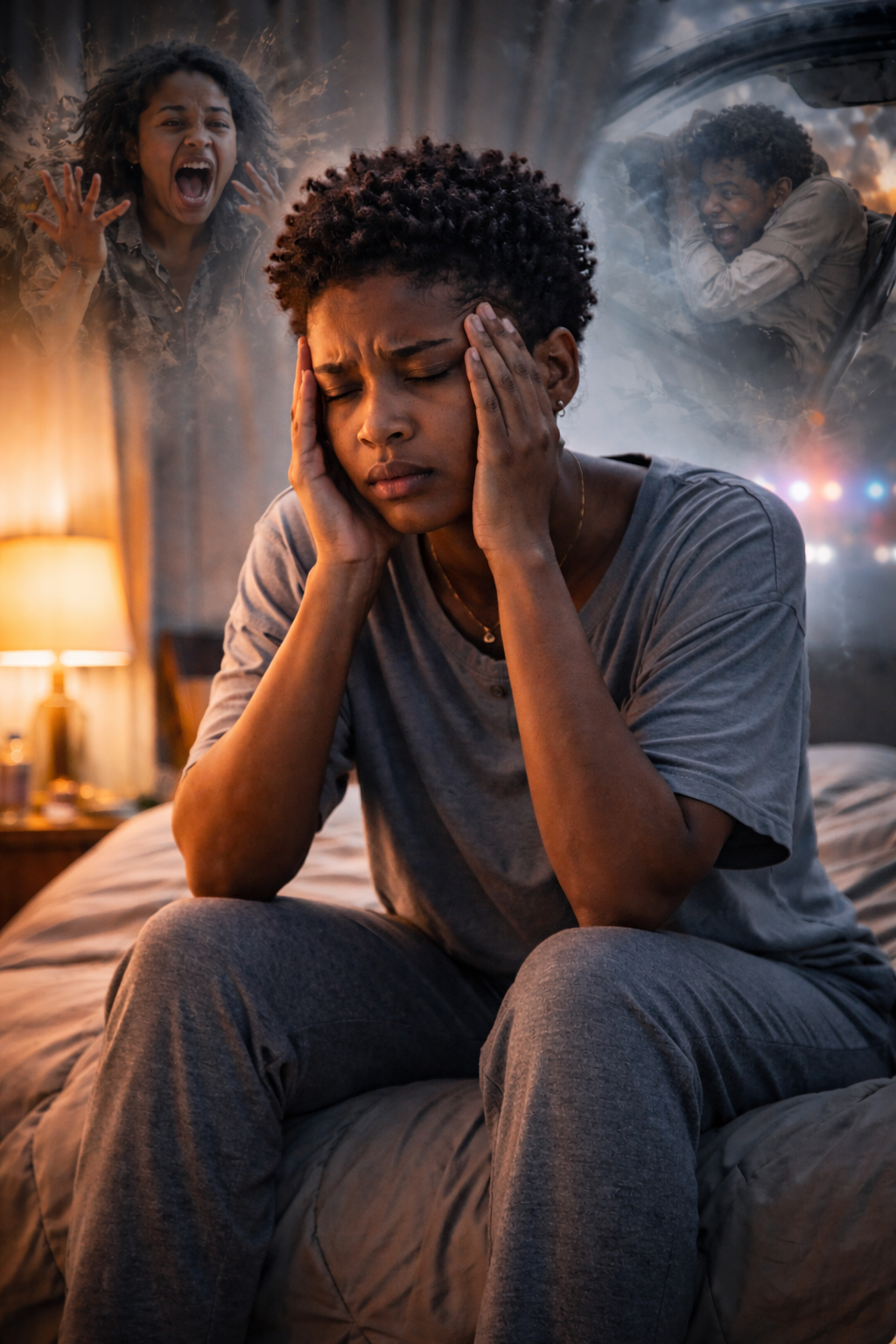
• your body go react like say e dey happen again
👉🏽 D feeling go feel very real—even though you safe and e no even dey happen.
🟧 Why e dey happen?
• your brain dey hold the memory strongly
→ e no fit process am fully
• stress system "forget" how to calm down
→ body dey on alert wen u remember am
• triggers dey remind you
→ sound, place, or situation fit be d trigger
👉🏽 Small reminder fit bring back big reaction.
🟧 How you go know say e no dey normal?
You fit notice say:
• you dey get flashbacks or bad dreams often
→ e be like say d traumatic event dey replay again and again for your mind
• you dey avoid certain places, people or conversations
→ because you dey fear say something fit trigger d memories again
• you always dey on edge or easily startled
→ your body no fit fully relax because e still dey act like danger dey around
👉🏽 If these symptoms no gree improve or e begin affect your work, relationships or everyday life, make you see doctor.
🟧 Wetin you fit do by yourself or for house
Recovery fit take time, but these things fit help:
• talk to person wey you trust
→ e fit reduce the feeling say you dey face everything alone
• learn wetin dey trigger your symptoms
→ so you fit prepare how to respond when e happen
• practice calming techniques
→ like deep breathing or grounding exercises
• try manage stress well
→ small changes every day fit help your mind and body recover
• take care of your body
→ sleep well, chop healthy food and exercise regularly
👉🏽 Healing na process—not instant. Small steps every day fit make big difference.
🟧 Real life example
Ngozi survive serious road accident.
Even after her body heal, something still no feel right.
Months later:
• she dey get bad dreams about d accident
• any time she hear tyre screech or loud horn, her heart go begin race
• she dey avoid driving or passing the road where d accident happen
• she dey always on edge and no fit sleep well
At first, she think say d feelings go disappear with time.
But as d symptoms continue, e begin affect her work. She dey miss work often and sometimes no fit concentrate.
Her manager notice d change and advise am make she go see doctor.
After doctor evaluate am, dem discover say na PTSD.
With counselling, support from her family and d right treatment, she gradually begin feel better and regain confidence.
👉🏽 PTSD no mean say person weak. Trauma fit continue affect the mind long after the event happen, but treatment fit help person recover.
🟧 🩺When you suppose go hospital 🚨
• symptoms don dey feel too intense
• you no fit function normally, your mood dey change fast
• you don dey think how you go injure yourself or person
👉🏽 No handle am alone—help dey available.
🟢Final reassurance
PTSD real—but recovery dey possible.
👉🏽 With support and time, your mind fit heal small small.
📚 Reference
For full medical references, see English version of this article.
⚠️ Disclaimer
This article na for education only. E no replace advice from doctor.
If you dey struggle, abeg seek professional help.
🔗Related Health Topics
• Anxiety
• Depression
• Anxiety vs Panic attack
• Social Anxiety
• Sleep problems
• Stress management
👉🏽 If you still get questions or prefer full medical detail? Read English version