

🌍English
Published on April 15, 2026 at 9:45 PM
🩺 Medically reviewed by the Health Decoded Guide Editorial Team · Last reviewed: July 2026
🔍 Quick Summary
Post-Traumatic Stress Disorder (PTSD) is a response to a traumatic event.
It can affect thoughts, emotions, and physical reactions—but recovery is possible.
1️⃣ Introduction
PTSD is a mental health condition that can develop after a traumatic experience.
• may follow accidents, violence, loss, or distressing events
• affects how the brain processes memories
• can occur weeks or months after the event
👉 PTSD is not weakness—it is the brain trying to process overwhelming stress.
2️⃣ How it happens
The brain reacts strongly to trauma.
• memory of the event remains highly active
• stress system stays “on alert”
• body reacts as if danger is still present
👉 The brain struggles to “file away” the traumatic experience.
3️⃣ Classification
PTSD usually develops after a traumatic event, but not everyone who experiences trauma will develop PTSD.
• Acute stress response
Occurs within the first few days or weeks after a traumatic event.
Symptoms may include:
- fear or anxiety
- difficulty sleeping
- feeling emotionally numb
- intrusive memories
Many people gradually improve with time and support.
• Post-traumatic stress disorder (PTSD)
Symptoms last for more than one month and begin to interfere with work, relationships or daily life.
Without treatment, PTSD may continue for months or even years.
👉 The main difference is how long the symptoms last and how much they affect daily life.
4️⃣ Common causes
PTSD can develop after experiencing or witnessing a traumatic event.
Examples include:
• serious road traffic accidents
• physical, emotional or sexual abuse
• war, violence or terrorism
• natural disasters such as floods or earthquakes
• life-threatening illness or serious injury
• witnessing a traumatic event happen to someone else
• the sudden death or unexpected loss of a loved one
👉 Not everyone who experiences trauma develops PTSD, and different people respond differently to the same event.
5️⃣ Symptom explanation
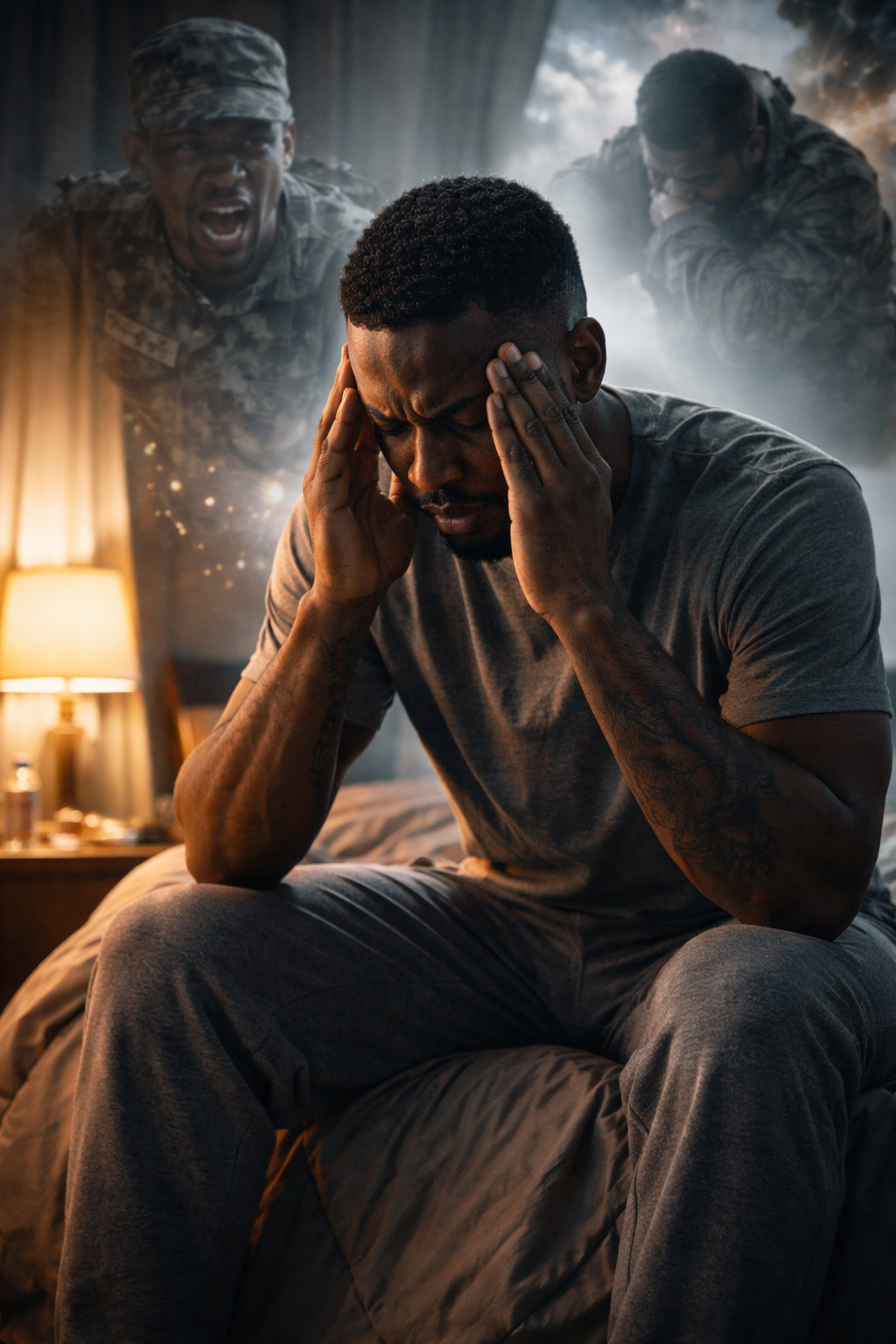
PTSD affects how the brain processes traumatic memories.
Common symptoms include:
• intrusive memories or flashbacks → unwanted memories that suddenly feel as if the traumatic event is happening again
• nightmares → repeated distressing dreams related to the traumatic event
• emotional distress → feeling intense fear, sadness, guilt or anxiety when reminded of the event
• avoiding reminders → staying away from people, places or conversations that bring back memories
• feeling constantly on edge (hypervigilance) → always feeling alert, easily startled or constantly looking out for danger
• sleep problems and irritability → many people struggle to sleep well and become more easily frustrated or angry because the body remains in a heightened state of alertness
These symptoms happen because the brain continues to react as though the traumatic event is still a current threat,
even when the danger has already passed.
6️⃣ Why We Delay
Many people do not realise they have PTSD because they think their reactions are "normal" after a traumatic event.
Some common thoughts include:
• "I just need more time."
• "I should be strong enough to handle this."
• "Talking about it will only make things worse."
• "I don't want to remember what happened."
Some people also avoid seeking help because they feel ashamed, guilty, or worry that others won't understand.
👉🏽 PTSD is not a sign of weakness. Early support and treatment can help reduce symptoms and improve recovery.
7️⃣ When it becomes dangerous 🚨
• severe distress affecting daily life
• inability to function normally
• thoughts of self-harm
👉 These may indicate:
• severe PTSD
• need for urgent professional support
8️⃣ Management / treatment
• stress management
• psychological therapy (e.g. trauma-focused therapy)
• support systems (family, friends)
• medication in some cases
9️⃣ Diagnosis
• clinical assessment
• evaluation of symptoms and history
• mental health screening
👉 Diagnosis focuses on pattern and duration of symptoms.
🟢 Important message
PTSD is real—but treatable.
👉 With the right support, healing is possible.
FAQ
• Does PTSD go away on its own?
Sometimes—but many people benefit from support and therapy.
• Is PTSD only for extreme trauma?
No, different people react differently to experiences.
• Can children develop PTSD?
Yes. Children can also develop PTSD after frightening or traumatic experiences, but their symptoms may look different from adults.
• Can PTSD start months after the traumatic event?
Yes. Some people develop symptoms immediately, while others may not notice them until weeks or months later.
• When should I see a doctor?
If symptoms last for more than a month, are getting worse, or are affecting your work, relationships, or daily life, seek medical help.
🔗 Related Health Topics
• Anxiety
• Depression
• Sleep problems
• Anxiety vs Panic attack
• Panic attack vs Heart attack
• Stress Management
• Social anxiety
📚 Medical References
• National Health Service (NHS). Post-traumatic stress disorder (PTSD).
• Mayo Clinic. Post-traumatic stress disorder (PTSD).
• National Institute for Health and Care Excellence (NICE). Post-traumatic stress disorder (NG116).
• American Psychiatric Association (APA). What Is Posttraumatic Stress Disorder (PTSD)?
• National Institute of Mental Health (NIMH). Post-Traumatic Stress Disorder.
⚠️ Medical Disclaimer
This article is for educational purposes only and does not replace professional medical advice.
If you are struggling with symptoms of trauma, seek support from a qualified healthcare professional.