Read in: English | Pidgin English
🔍 Quick Summary
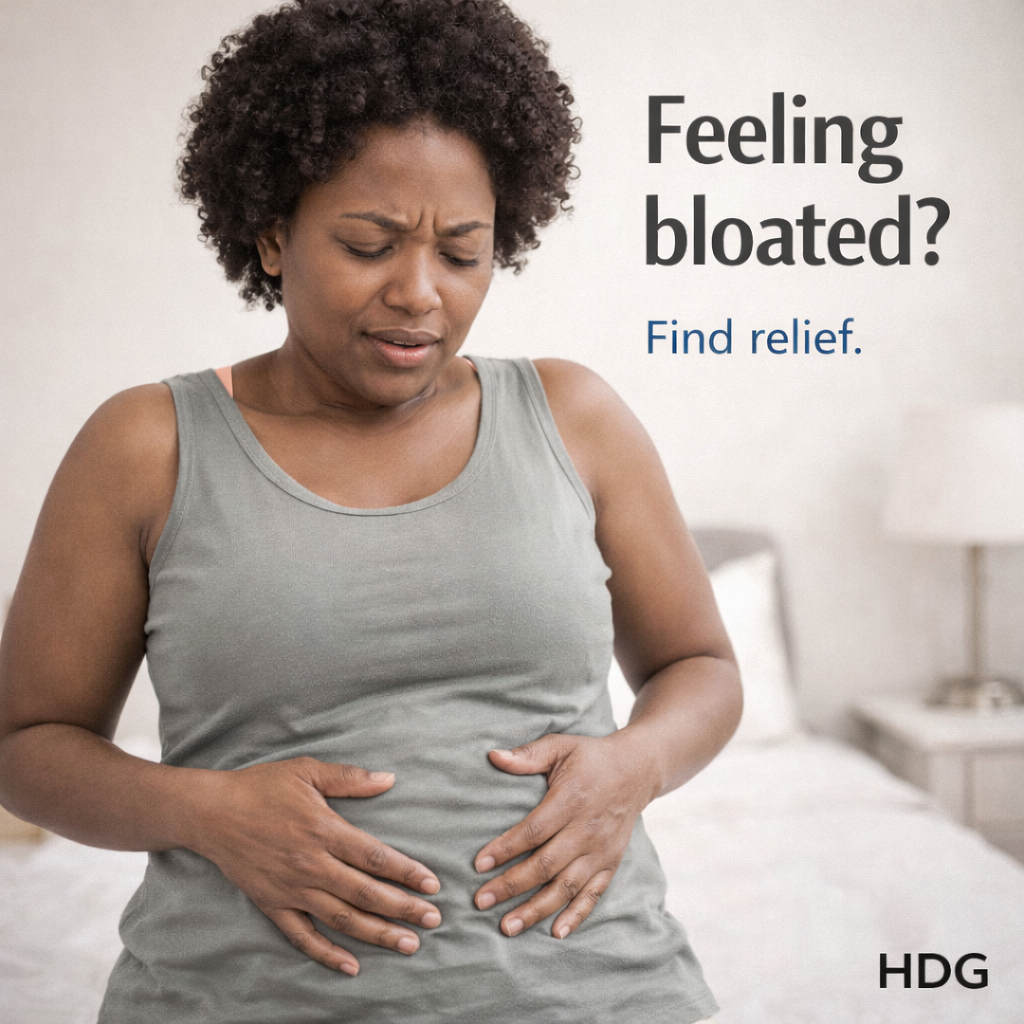
Bloating is a feeling of fullness, tightness, or swelling in the abdomen.
It is common and often related to digestion, diet, or gut sensitivity.
1️⃣ Introduction
Bloating refers to a sensation of abdominal fullness or visible swelling.
• may feel like tightness or pressure in the belly
• can come and go or persist
• affects people of all ages
👉 Bloating is common—but frequent or severe cases may need evaluation.
2️⃣ What could be behind this?
Bloating occurs due to gas, fluid, or gut movement changes.
• gas build-up in the intestines
• slow digestion or delayed emptying
• increased sensitivity of the gut
👉 The sensation is often due to how the gut stretches and reacts.
3️⃣ Common patterns of bloating
• Occasional bloating
- often happens after meals or certain foods
- usually temporary
- tends to settle on its own
• Persistent (chronic) bloating
- happens frequently or most days
- may feel uncomfortable or tight for longer periods
- can be linked to underlying digestive issues
• Hormonal bloating
- comes and goes with the menstrual cycle
- often noticed before a period
- may feel like fullness, tightness, or mild swelling
👉 Noticing when and how often it happens can help you understand possible triggers.
4️⃣ Common causes
• Dietary factors
- gas-producing foods (beans, cabbage, carbonated drinks)
- eating too quickly or swallowing air
• Digestive conditions
- irritable bowel syndrome (IBS)
- constipation or food intolerance
5️⃣ Symptom explanation
• feeling of fullness or tightness
• visible abdominal swelling
• increased gas or burping
👉 These occur due to gas accumulation and stretching of the intestines.
6️⃣ Associated symptoms
• abdominal discomfort or cramps
• changes in bowel habits
• nausea
• early satiety (feeling full quickly)
👉 Associated symptoms help identify whether it’s functional or related to another condition.
7️⃣ When it becomes dangerous 🚨
• persistent or worsening bloating
• weight loss or loss of appetite
• severe abdominal pain
👉 These may indicate:
• underlying digestive disease
• need for further medical evaluation
8️⃣ Management / treatment
• adjust diet (reduce trigger foods)
• eat slowly and mindfully
• stay active to support digestion
9️⃣ Diagnosis
• symptom history and dietary review
• physical examination
• further tests if needed (e.g. intolerance testing)
👉 Diagnosis focuses on identifying triggers and patterns.
🔟 Important message
Bloating is common and often manageable with simple changes.
👉 Understanding your triggers can greatly improve comfort.
FAQ
• Is bloating normal after eating?
Yes, mild bloating after meals can be normal.
• When should I worry about bloating?
If it is persistent, severe, or associated with other symptoms.
🔗 Related Health Topics
• Constipation
• Irritable bowel syndrome (IBS)
• Abdominal pain
• Gastroenteritis
• Heartburn
• Healthy Diet Basics
📚 Medical References
• World Health Organization (WHO). Digestive health.
• National Health Service (NHS). Bloating.
• Centers for Disease Control and Prevention (CDC). Digestive disorders.
• Mayo Clinic. Bloating overview.
• National Institute for Health and Care Excellence (NICE). IBS and bloating management.
• American College of Gastroenterology (ACG). Functional bowel disorders guidelines.
⚠️ Medical Disclaimer
This article is for educational purposes only and does not replace professional medical advice.
If you have symptoms or concerns, please consult a qualified healthcare professional.