

Read in: English | Pidgin English
🩺 Medically reviewed by the Health Decoded Guide Editorial Team · Last reviewed: July 2026
🔍 Quick Summary
Tinea corporis (ringworm) is a common fungal skin infection that causes circular, itchy rashes.
It is contagious but treatable with antifungal medication.
1️⃣ Introduction
Tinea corporis is a superficial fungal infection of the skin.
• affects the body (arms, legs, trunk)
• caused by dermatophyte fungi
• commonly called “ringworm”
👉 The name comes from the ring-shaped rash—not an actual worm.
2️⃣ How it happens
Fungi infect the outer layer of the skin.
• thrive in warm, moist environments
• spread on the skin surface
• feed on keratin (skin protein)
👉 The infection remains on the surface but can spread outward.
3️⃣ Classification
• Localized tinea corporis
- single or few patches
- mild infection
• Widespread tinea corporis
- multiple areas involved
- may need stronger treatment
👉 Extent determines treatment approach.
4️⃣ Common causes
• Direct contact
- skin-to-skin with infected person
- contact with animals (e.g. pets)
• Indirect contact
- shared towels, clothing
- contaminated surfaces
5️⃣ Symptoms
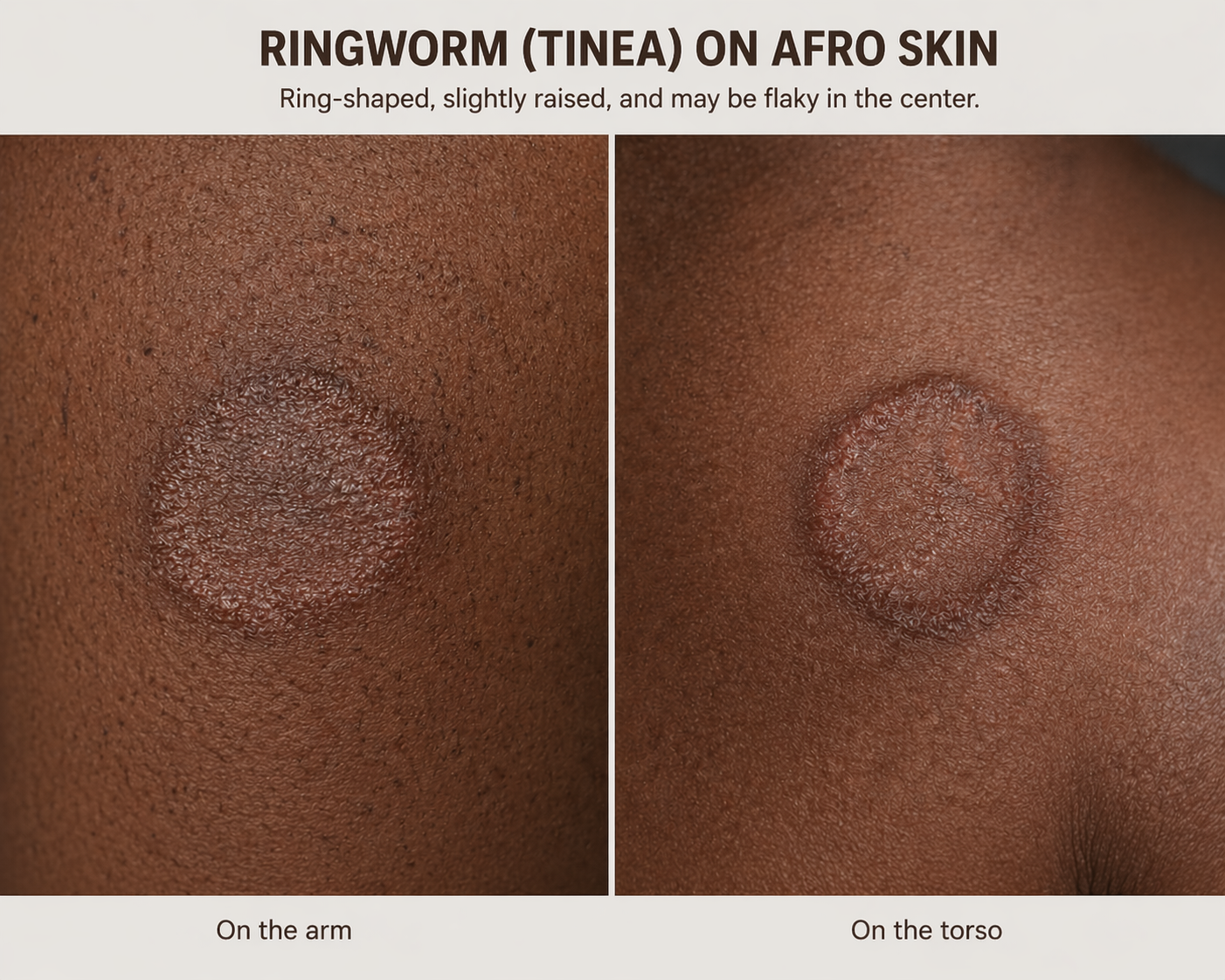
• circular or ring-shaped rash
• red, raised edges
• clearer center
👉 The rash spreads outward, forming a ring pattern.
6️⃣ Associated symptoms
• itching
• scaling or dry skin
• gradual spread
• mild discomfort
👉 Scratching can worsen and spread infection.
7️⃣🩺When it becomes concerning 🚨
• rash spreading quickly
• multiple areas affected
• no improvement with treatment
👉 These may indicate:
• more extensive infection
• need for medical treatment
8️⃣ Management / treatment
• antifungal creams
• oral antifungals if widespread
• keep skin clean and dry
9️⃣ Diagnosis
• clinical appearance
• skin scraping (if needed)
• typical ring pattern
👉 Diagnosis is often based on appearance.
🟢Important message
Tinea corporis is common and treatable.
👉 Early treatment prevents spread and speeds recovery.
FAQ
- Is ringworm contagious?
Yes—it spreads through direct or indirect contact. - How long does it take to clear?
Usually improves within 1–2 weeks, but treatment often needs to continue for 2–4 weeks or as advised by a healthcare professional to prevent it from coming back. - Can ringworm spread to other parts of the body?
Yes. Without treatment, it can spread to other areas of the skin or to other people. - Can pets give people ringworm?
Yes. Cats, dogs, and other animals can carry the fungus and spread it to humans. - Can ringworm come back?
Yes. It can return if the infection is not fully treated or if you come into contact with the fungus again.
🔗 Related Health Topics
• Pityriasis Versicolor
• Skin Rashes in Children
• Skin infections
• Common childhood rash
• Impetigo
📚 Medical References
• National Health Service (NHS). Ringworm.
• Centers for Disease Control and Prevention (CDC). About Ringworm.
• Mayo Clinic. Ringworm (body).
• National Institute for Health and Care Excellence (NICE). Fungal skin infection - body and groin.
• American Academy of Dermatology (AAD). Ringworm: Diagnosis and treatment.
• DermNet NZ. Tinea corporis (body ringworm).
⚠️ Medical Disclaimer
This article is for educational purposes only and does not replace professional medical advice.
If rash persists or spreads, consult a healthcare professional.