Read in: English | Pidgin English
🩺 Medically reviewed by licensed physicians with over 10 years of clinical experience
🔍 Quick Summary
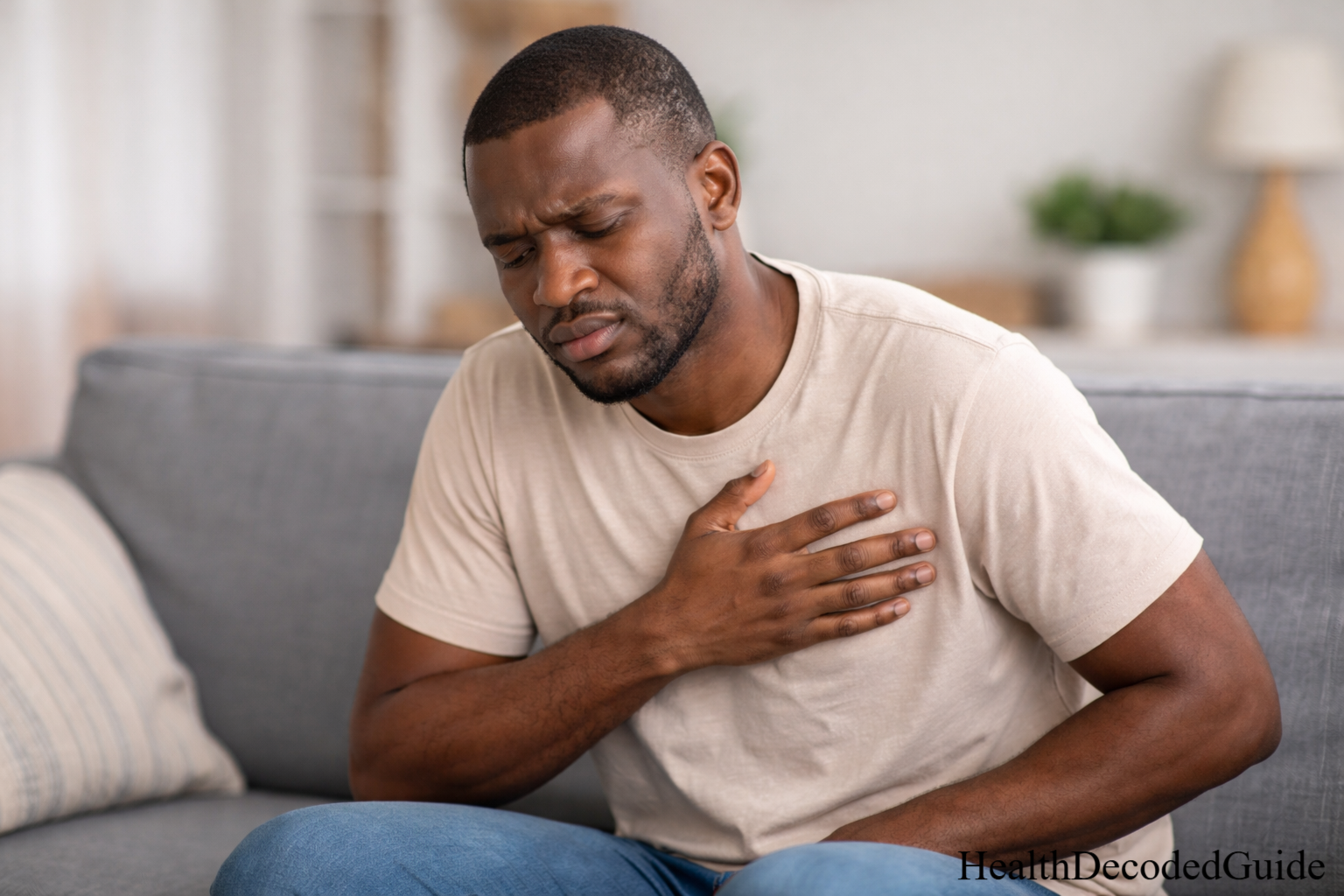
Heart palpitations are sensations where a person becomes unusually aware of their heartbeat.
Some people describe pounding, fluttering, racing, skipping, or irregular heartbeats.
Many palpitations are harmless, but some may be linked to heart rhythm problems or other medical conditions.
1️⃣ Introduction
Heart palpitations can happen occasionally or repeatedly.
• symptoms may occur during rest, stress, or physical activity
• some episodes last only seconds, while others persist longer
• palpitations may feel uncomfortable or frightening
👉 Feeling a heartbeat more strongly does not always mean a dangerous heart problem is present.
2️⃣ How it happens
The heart normally beats in a regular rhythm controlled by electrical signals.
• stress hormones can increase heart rate and awareness of heartbeat
• abnormal electrical activity may sometimes cause irregular rhythms
• stimulants and certain medical conditions may affect heart rhythm control
👉 Palpitations happen when heartbeat patterns become more noticeable or irregular.
3️⃣ Types
• Fast heartbeat (tachycardia)
- heart beats faster than normal
- may happen during stress, fever, or exercise
• Irregular heartbeat
- skipped beats or fluttering sensations
- sometimes linked to rhythm disturbances
• Forceful heartbeat awareness
- pounding heartbeat without dangerous rhythm changes
- may occur with anxiety or stimulants
👉 Different palpitation patterns may suggest different underlying causes.
4️⃣ Common causes
• Lifestyle-related causes
• Medical conditions
• Heart-related causes
- abnormal heart rhythms
- heart disease in some cases
👉 Lack of sleep and dehydration can also trigger palpitations in some people.
5️⃣ Symptoms
• fluttering or racing heartbeat
• pounding sensation in the chest or neck
• skipped or irregular heartbeat feeling
👉 Palpitations occur because changes in heart rhythm or force become more noticeable.
6️⃣ Associated symptoms
• dizziness
• lightheadedness
• shortness of breath
• chest discomfort
• anxiety
• sweating
👉 Palpitations associated with fainting or chest pain may require urgent medical evaluation.
7️⃣🩺 When it becomes dangerous 🚨
• chest pain or severe shortness of breath
• fainting or near-collapse
• persistent very fast or irregular heartbeat
👉 These may indicate:
• serious heart rhythm problems
• heart disease or medical emergencies needing urgent assessment
8️⃣ Management / treatment
• reduce caffeine, nicotine, or stimulant intake
• manage stress and sleep patterns
• treat underlying medical conditions when identified
Self-Care and Supportive Measures
• stay hydrated
• avoid excessive alcohol or energy drinks
• track symptom triggers and timing
• seek medical advice if episodes repeat frequently
👉 Slow breathing and relaxation techniques may help stress-related palpitations.
9️⃣ Diagnosis
• medical history and symptom description
• heart examination and ECG
• blood tests or heart monitoring when needed
👉 Recording when palpitations happen can help doctors identify possible triggers or rhythm problems.
🟢 Important message
Heart palpitations are common and often harmless, especially during stress or stimulant use.
However, persistent symptoms or episodes linked with chest pain, fainting, or breathing problems should be assessed medically.
👉 Sudden severe heart symptoms should never be ignored.
FAQ
• What do heart palpitations feel like?
People may feel fluttering, pounding, racing, or skipped heartbeats.
• Can anxiety cause palpitations?
Yes. Stress and anxiety can increase heart rate and heartbeat awareness.
• Can caffeine trigger palpitations?
Yes. Coffee, energy drinks, and stimulants may trigger symptoms in some people.
• Are heart palpitations always dangerous?
No. Many are harmless, but some may relate to heart rhythm disorders.
• When should emergency help be sought?
If palpitations occur with chest pain, fainting, severe dizziness, or breathing difficulty.
🔗 Related Health Topics
• Anxiety
• Heart Attack
• Fainting: What To Do
• High Blood Pressure
• Thyroid Disorders
• Low Blood Sugar
• Anemia
📚 Medical References
• World Health Organization (WHO). Cardiovascular health and heart rhythm guidance.
• National Health Service (NHS). Heart palpitations symptoms and medical advice.
• Mayo Clinic. Heart palpitations causes, symptoms, and management overview.
• American Heart Association (AHA). Heart rhythm disorders and palpitations information.
• Centers for Disease Control and Prevention (CDC). Heart disease and cardiovascular health guidance.
• National Institute for Health and Care Excellence (NICE). Cardiac arrhythmia assessment recommendations.
⚠️ Medical Disclaimer
This article is for educational purposes only and does not replace professional medical advice.
If you have symptoms or concerns, please consult a qualified healthcare professional.