

🌍English
Published on March 14, 2026
🩺 Medically reviewed by Priscilla Afiakurue, MD, Family Medicine Physician | Founder & Lead Medical Editor · Last reviewed: October 2026
🔍 Quick Summary
Menopause is the point when menstrual periods have permanently stopped because the ovaries are producing much less estrogen and progesterone.
Natural menopause is confirmed after 12 consecutive months without a period, when there is no other medical reason for the periods to have stopped.
Most women reach menopause between ages 45 and 55, but symptoms such as hot flushes, poor sleep or vaginal dryness can continue afterwards.
👉 Menopause is a normal life stage, but symptoms that affect your well-being still deserve treatment and support.
1️⃣ What exactly is menopause?
Menopause means the ovaries have largely stopped releasing eggs and producing the reproductive hormones that previously supported the menstrual cycle.
It is one point in time — reached after 12 months without menstruation.
The years of changing periods and fluctuating hormones before this are called perimenopause.
2️⃣ Why does menopause happen?
As women age, the number of functioning follicles inside the ovaries gradually falls.
The ovaries eventually stop releasing eggs regularly and produce much lower levels of estrogen and progesterone. These hormonal changes affect more than periods because estrogen also influences temperature control, vaginal and urinary tissues, bones, sleep and other body systems.
That is why symptoms can continue even after periods have completely stopped.
3️⃣ What symptoms can continue after menopause?
Some women have few symptoms, while others find them disruptive.
Common symptoms include:
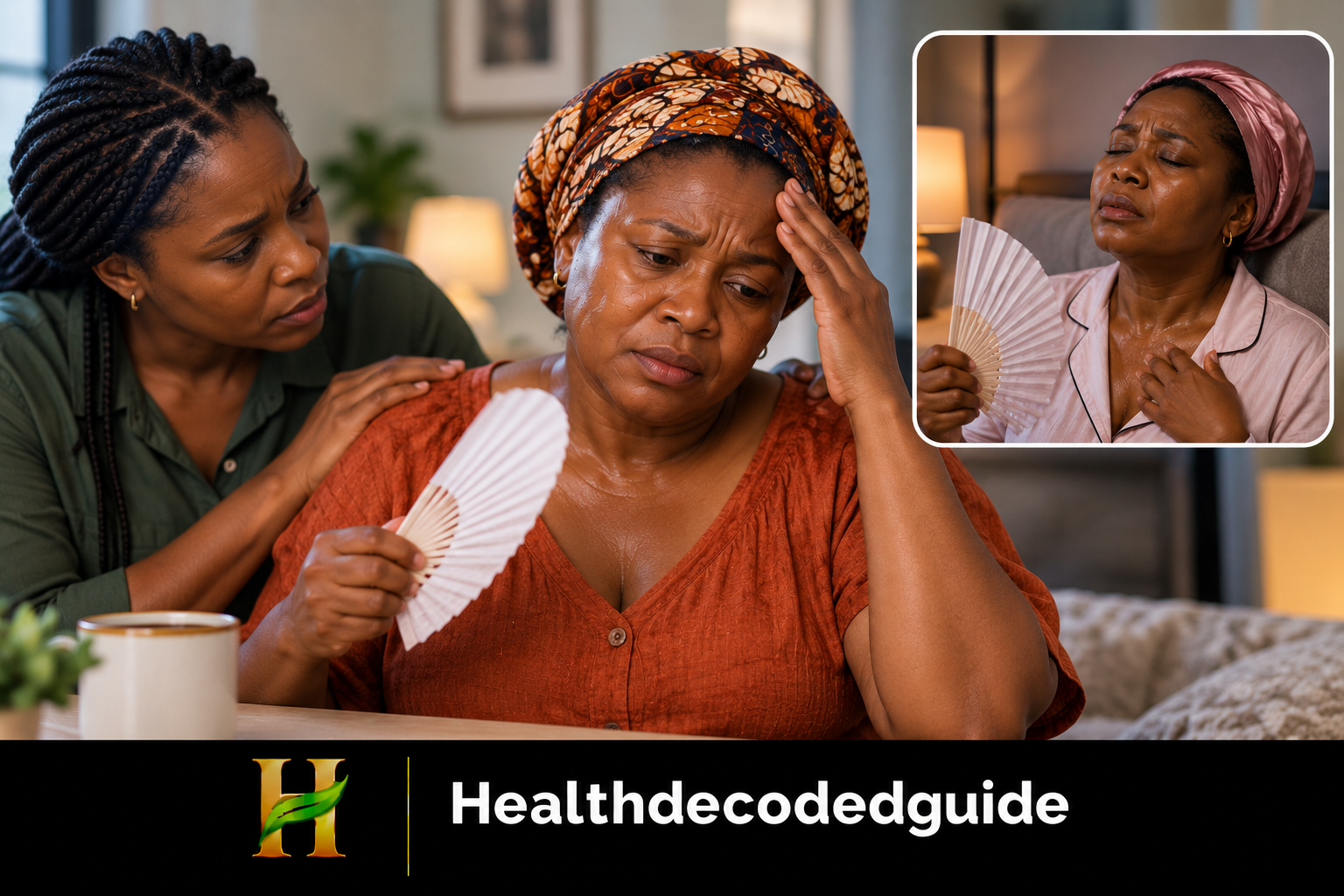
• hot flushes and night sweats
• difficulty sleeping
• vaginal dryness
• discomfort during sex
• urinary symptoms
• mood changes
• reduced sexual desire
• joint or muscle aches
• palpitations
Symptoms can last for different lengths of time and may change as the years pass.
4️⃣ What changes after menopause?
Lower estrogen levels can affect health beyond the immediate symptoms.
Important changes include:
• bone loss — increasing the risk of osteoporosis and fractures
• vaginal and urinary changes, which may cause dryness, discomfort or urinary symptoms
• changes in body composition and cardiovascular risk
This is also a good stage to check blood pressure, cholesterol and blood sugar,
because hypertension, high cholesterol and type 2 diabetes become more common with age.
👉 Menopause does not directly cause all of these conditions, but regular health checks become increasingly important.
5️⃣ What can help menopause symptoms?
Treatment depends on which symptoms are bothering you, your medical history and your preferences.
Hormone replacement therapy (HRT) can be very effective for hot flushes and night sweats. Vaginal estrogen can also help vaginal dryness and some urinary symptoms.
Other options may include:
• vaginal moisturisers or lubricants
• cognitive behavioural therapy (CBT) for some menopause symptoms
• non-hormonal medicines when HRT is unsuitable or not wanted
• regular weight-bearing exercise and attention to bone health
If you still have a uterus and use systemic estrogen, progestogen is usually needed as well to protect the lining of the uterus.
👉 HRT is not one-size-fits-all. The benefits and risks should be considered alongside your symptoms and medical history.
6️⃣ When menopause happens earlier than expected
Menopause before age 45 is considered early, while loss of ovarian function before age 40 requires assessment for premature ovarian insufficiency or another cause.
Earlier loss of estrogen can affect bone and other aspects of long-term health, so medical assessment and discussion of treatment are especially important.
7️⃣ 🩺 When should you seek medical help? 🚨
Arrange medical assessment if:
• menopause symptoms are affecting sleep, work, relationships or quality of life
• vaginal dryness or painful sex is persistent
• you develop troublesome urinary symptoms
• periods stop much earlier than expected
Any vaginal bleeding after menopause should be assessed, even if it is only light spotting or happens once. There are several possible causes, many of them not cancer, but postmenopausal bleeding should not simply be assumed to be normal.
👉 Once you have gone 12 months without a period, new vaginal bleeding is no longer treated as an ordinary period.
8️⃣ How is menopause diagnosed?
For most otherwise healthy women aged 45 or older with typical symptoms, menopause can usually be identified from age, symptoms and menstrual history rather than routine hormone testing.
Further assessment may be needed when menopause occurs unusually early, the diagnosis is unclear, or another medical condition could be causing the symptoms.
🟢 Important Message
Menopause is not something that needs to be “cured,” but that does not mean women have to tolerate symptoms that significantly affect daily life.
Treatment can be tailored to symptoms, health history and personal preferences, while the years after menopause are also an important time to think about bone, cardiovascular and sexual health.
👉 Normal life stage does not mean you have to suffer through it without support.
FAQ
• What age does menopause usually happen?
Most women experience natural menopause between ages 45 and 55.
• Can hot flushes continue after periods stop?
Yes. Menopause symptoms can continue for several years after the final period.
• Do I need a blood test to confirm menopause?
Usually not if you are over 45 with a typical history and symptoms. Testing may be useful in selected situations.
• Is bleeding after menopause normal?
No. Any new vaginal bleeding after menopause should be medically assessed.
• Does every woman need HRT?
No. Treatment depends on symptoms, medical history, preferences and individual benefits and risks.
🧠 Why We Delay
Menopause symptoms are often dismissed as something women should simply “put up with” because the process is natural. Vaginal dryness, sleep problems, painful sex or mood changes may also feel embarrassing to discuss.
The opposite problem can happen with bleeding: someone may assume an unexpected spot of blood is simply their period returning.
👉 Menopause is normal, but persistent symptoms deserve support — and bleeding after menopause deserves assessment.
🔗 Related Health Topics
• Perimenopause
• Early Menopause
• Vaginal Itching
• Osteoporosis
• Postmenopausal Bleeding
• Sleep Problems
📚 Medical References
● World Health Organization (WHO). Menopause.
● National Institute for Health and Care Excellence (NICE). Menopause: Identification and Management (NG23).
● National Health Service (NHS). Treatment for Menopause and Perimenopause.
● American College of Obstetricians and Gynecologists (ACOG). Hormone Therapy for Menopause.
● American College of Obstetricians and Gynecologists (ACOG). Perimenopausal Bleeding and Bleeding After Menopause.
⚠️ Medical Disclaimer
This article is for educational purposes only and does not replace professional medical advice.