🌍English
Published on September 23, 2026
🩺 Medically reviewed by Priscilla Afiakurue, MD, Family Medicine Physician | Founder & Lead Medical Editor · Last reviewed: September 2026
🔍 Quick Summary
An arrhythmia is a problem with the heart's normal rhythm. The heart may beat too fast, too slowly or irregularly.
Some arrhythmias are harmless and may cause no symptoms, while others can affect how well the heart pumps blood and may require treatment.
Feeling an occasional skipped or pounding heartbeat does not automatically mean something dangerous is happening — but persistent or severe symptoms should be checked.
🚨 Quick Action
Seek urgent/emergency medical help if an irregular heartbeat happens with:
• chest pain or pressure
• severe difficulty breathing
• fainting or collapse
• severe dizziness or sudden weakness
If someone collapses, does not respond and is not breathing normally, call emergency services, start CPR and use an AED if available.
1️⃣ What is an arrhythmia?
Each heartbeat is controlled by electrical signals that travel through the heart in an organised pattern.
An arrhythmia develops when these signals do not start or travel normally. This can make the heart beat:
• too fast — tachycardia
• too slowly — bradycardia
• irregularly — such as atrial fibrillation
• with occasional early or extra beats
Not every change in heart rate is abnormal. Exercise, sleep and stress can naturally make the heart speed up or slow down.
2️⃣ Why does it happen?
Normally, the heart's natural pacemaker sends electrical signals that tell the heart chambers when to contract. If the signal starts in the wrong place, travels through an abnormal pathway or becomes disrupted, the heartbeat can become too fast, too slow or uneven.
Possible causes or triggers include:
• heart disease or a previous heart attack
• high blood pressure or changes in the heart muscle
• thyroid problems or abnormal electrolyte levels
• sleep apnea
• some medicines or stimulant drugs
• excessive alcohol, caffeine or nicotine
• inherited heart conditions
Sometimes no clear cause is found.
3️⃣ What can an arrhythmia feel like?
Some people have no symptoms at all.
When symptoms occur, they may include:
• a racing, pounding or fluttering heartbeat
• feeling that the heart has skipped or added a beat
• dizziness or light-headedness
• tiredness or weakness
• breathlessness
• fainting or feeling close to fainting
👉 Palpitations describe what you feel; arrhythmia describes an abnormal heart rhythm. Palpitations do not always mean an arrhythmia is present.
4️⃣ Common types
Tachycardia means the heart is beating unusually fast, generally over 100 beats per minute at rest.
Bradycardia means the heart is unusually slow, usually below 60 beats per minute — although this can be normal during sleep or in physically fit people.
Atrial fibrillation (AFib) causes an irregular rhythm in the upper chambers of the heart and can increase the risk of blood clots and stroke.
Ventricular arrhythmias begin in the heart's lower chambers. Some, including ventricular fibrillation, can cause cardiac arrest and require immediate treatment.
5️⃣ Possible complications
Complications depend on the type and severity of the arrhythmia and may include:
• blood clots and stroke, particularly with atrial fibrillation
• heart failure
• fainting and injury
• cardiac arrest with certain dangerous ventricular rhythms
👉 Many arrhythmias never cause these complications — the specific rhythm matters.
6️⃣ 🩺 When should you seek medical help? 🚨
Arrange medical assessment if:
• palpitations keep returning or last longer than usual
• your heartbeat regularly feels unusually fast, slow or irregular
• you develop unexplained dizziness, weakness or breathlessness
• you have known heart disease and notice a change in your heartbeat
Seek urgent help for an irregular heartbeat with chest pain, severe breathing difficulty, fainting or collapse.
7️⃣ How are arrhythmias treated?
Not every arrhythmia needs treatment.
Treatment depends on the rhythm, symptoms and underlying cause and may include:
• treating contributing problems such as thyroid disease or electrolyte imbalance
• medicines to control heart rate or rhythm
• blood-thinning medicines for some people with atrial fibrillation to reduce stroke risk
• electrical cardioversion
• catheter ablation
• a pacemaker or implantable cardioverter-defibrillator (ICD) for selected conditions
👉 Treatment is based on the specific rhythm — there is no single treatment for every irregular heartbeat.
8️⃣ How is an arrhythmia diagnosed?
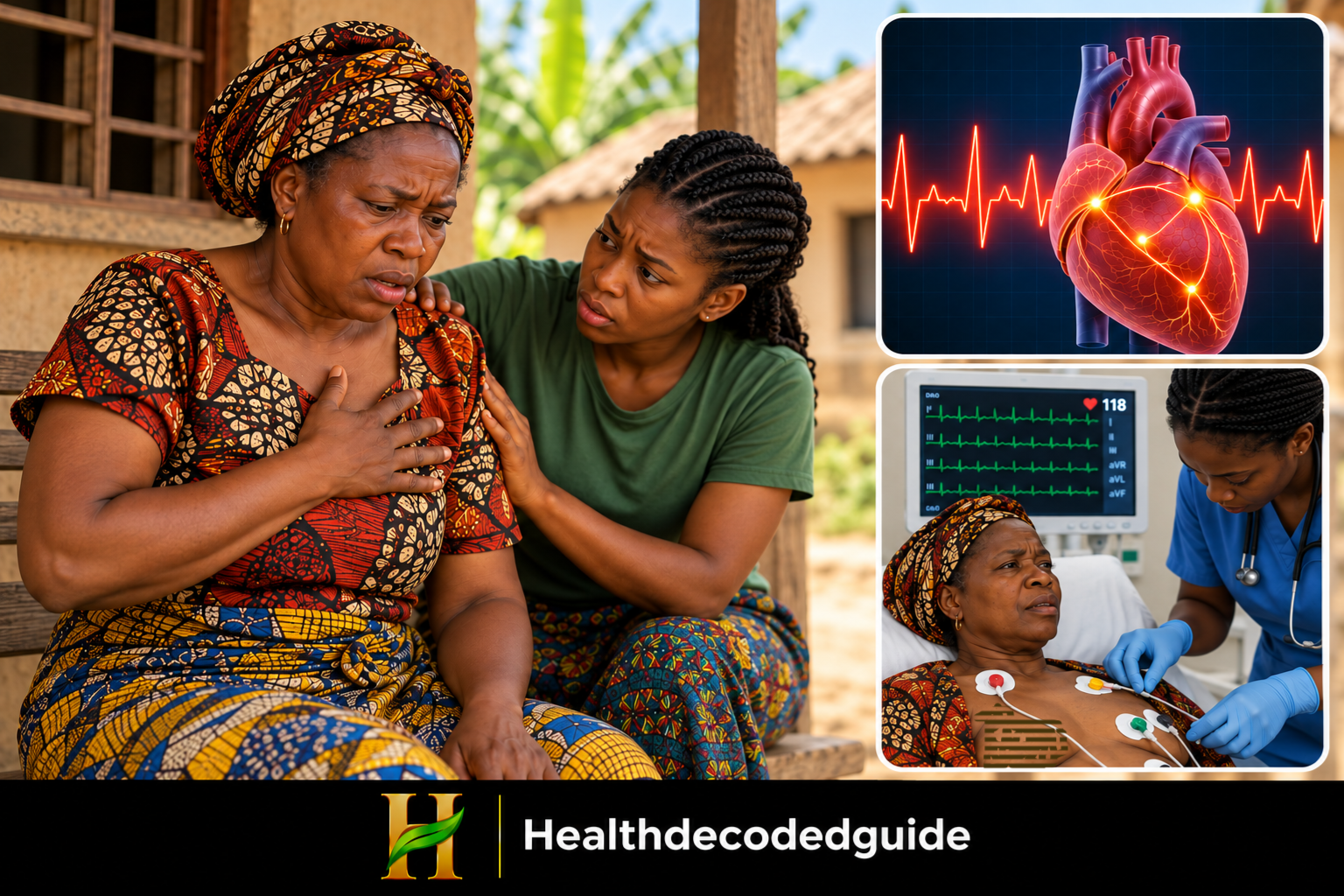
An ECG (electrocardiogram) records the heart's electrical activity and is one of the main tests used to identify an arrhythmia.
If the irregular rhythm comes and goes, longer monitoring with a Holter monitor or event recorder may be needed.
An echocardiogram or blood tests may also help identify an underlying cause.
🟢 Important Message
An irregular heartbeat can range from harmless occasional extra beats to a serious rhythm problem.
👉 If the change keeps happening, causes symptoms or comes with chest pain, breathlessness or fainting, do not ignore it.
FAQ
• Does an irregular heartbeat always mean heart disease?
No. Some irregular or extra beats occur without serious heart disease, but recurrent symptoms should be assessed.
• Can stress cause palpitations?
Yes. Stress and anxiety can make the heartbeat feel faster or more noticeable.
• Is a heart rate below 60 always dangerous?
No. It can be normal during sleep or in physically active people. Symptoms and the underlying cause matter.
• Can arrhythmias come and go?
Yes. Some occur only occasionally, which is why longer heart monitoring may sometimes be needed.
• Can arrhythmias cause cardiac arrest?
Certain dangerous ventricular arrhythmias can, but most irregular heartbeats do not lead to cardiac arrest.
🧠 Why We Delay
People often dismiss palpitations because they disappear quickly or assume they are caused by stress, caffeine or tiredness.
Sometimes that is true, but repeated episodes — especially with dizziness, breathlessness or fainting — deserve assessment.
👉 You do not need to panic about every skipped beat, but you should pay attention to a pattern that keeps returning or comes with other symptoms.
🔗 Related Health Topics
• Heart Palpitations
• Atrial Fibrillation
• Fast Heart Rate (Tachycardia)
• Slow Heart Rate (Bradycardia)
• Cardiac Arrest
• Heart Attack
📚 Medical References
● American Heart Association (AHA). Arrhythmia.
● American Heart Association (AHA). Symptoms, Diagnosis and Monitoring of Arrhythmia.
● American Heart Association (AHA). Prevention and Treatment of Arrhythmia.
● Mayo Clinic. Heart Arrhythmia: Symptoms and Causes.
● Mayo Clinic. Heart Arrhythmia: Diagnosis and Treatment.
⚠️ Medical Disclaimer
This article is for educational purposes only and does not replace professional medical advice.